
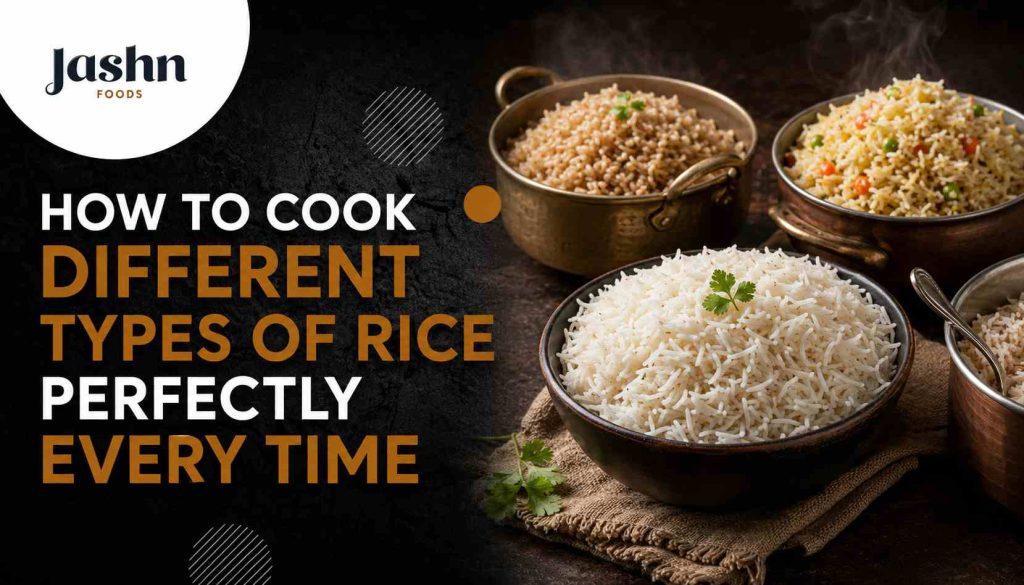
Rice can look deceptively simple. Sometimes it comes out beautifully, while another batch turns sticky, dry, or undercooked for no obvious reason. Learning how to cook different types of rice perfectly every time starts with knowing that every grain behaves a little differently.
Rice is part of everyday cooking in homes across India, from steamed rice with dal to pulao, biryani, curd rice, and regional dishes. It is just as important in kitchens around the world, where different grains are chosen for different recipes. Indian basmati rice manufacturers such Jashn Foods pay close attention to grain quality because even good cooking starts with good raw material.
Switch to quality grains designed to cook beautifully and retain their texture.
Understanding How to cook different types of rice perfectly every time
The biggest mistake is assuming that one cooking method suits every packet of rice. It does not. A long, slender grain can need very different treatment from brown rice or a parboiled variety.
Start by reading the cooking directions on the packet, particularly when trying a new brand. The age and processing of the rice can affect how much water it absorbs. Your saucepan, pressure cooker, induction stove, and even the heat level can change the result too.
There is another small detail that often gets ignored: resting time. Rice continues to settle after the heat is switched off. Leaving the lid closed for a few minutes can make the grains noticeably lighter and easier to separate.
Look at the rice before cooking it
Before putting the rice on the stove, take a quick look at the grains. Long grains usually work well when you want separate, fluffy rice, while shorter grains naturally tend to become softer and more cohesive.
There are different types of rice available today, and they are not interchangeable. Basmati has its own aroma and texture, while brown rice retains its outer layers and takes longer to soften. Parboiled rice, meanwhile, tends to stay firmer during cooking. According to the International Rice Research Institute (IRRI), rice varieties differ in grain characteristics, starch properties, and cooking behaviour.
This difference matters more than people expect. A recipe that works perfectly for ordinary white rice may disappoint when used with another variety. The grain itself should always guide the cooking method.
Rinsing rice without overdoing it
Rinsing has become almost automatic in many Indian kitchens. It can help remove loose surface starch and unwanted particles, especially when you are preparing plain or long-grain rice.
When cooking at home, gently rinse rice before cooking if the product instructions recommend it. Use cool water and move the grains around lightly with your fingers rather than rubbing them hard. Two or three rinses are usually enough for many common varieties.
Do not assume that more rinsing always means better rice. Certain packaged or fortified products may have specific preparation instructions. Checking the label first is a sensible habit, particularly when you are cooking a product for the first time.
Cooking ordinary white rice at home
For everyday meals, ordinary white rice does not need complicated techniques. A heavy-bottomed saucepan is helpful because it spreads heat more evenly and reduces the chances of the bottom catching.
A useful starting point is one cup of rice with about two cups of water. Bring the water to a boil, add the rice, and reduce the heat once it begins simmering again. Cover the pan and leave it alone until the grains have absorbed most of the water.
The best rice for everyday use depends on what your family eats and how you like the texture. Some people prefer soft rice that mixes easily with dal, while others want every grain to stay separate. Jashn Foods offers rice varieties for different household and commercial cooking requirements, making selection easier for buyers with specific preferences.
Getting better results from basmati rice
Basmati deserves a little more attention because its long grains and aroma are usually the reason people choose it. When cooked well, the grains should look elongated and feel light rather than swollen and heavy.
Soaking can help, especially when the rice is being used for pulao or biryani. Around 20 to 30 minutes is a practical starting point for many varieties, although the exact requirement depends on the product. Drain the soaked grains thoroughly before they go into the cooking vessel.
Water control becomes especially important here. For stovetop cooking, around 1¾ cups of water for one cup of rice can be a useful starting point, but packet directions should take priority. Keep the heat controlled, avoid unnecessary stirring, and let the rice rest after cooking.
Many home cooks ask how to cook basmati rice in a cooker because it is convenient for regular meals. Start with the manufacturer’s recommended setting and water ratio, then adjust after testing a small batch. Different pressure cookers can behave quite differently, so one successful batch is more useful than blindly following a fixed rule.
Quality rice helps you achieve the texture and finish your dishes deserve.
Cooking parboiled and Sella rice
Parboiled and Sella rice are popular choices for biryani and large-scale cooking because the grains tend to remain firm. They can handle longer cooking without becoming as soft as some ordinary white-rice varieties.
That does not mean they should be treated exactly the same way every time. Water absorption varies between products, so using the package instructions as your starting point is safer than copying a random online ratio.
Keep the cooking temperature steady and resist the urge to stir constantly. Once the rice is cooked, give it a few minutes to rest before fluffing it. This helps the grains settle and reduces unnecessary breakage.
For restaurants and caterers, this matters even more. A small difference in water or cooking time can affect several kilograms of rice in one batch. Jashn Foods caters to bulk buyers looking for rice varieties suited to commercial kitchens and food-service applications.
Brown rice needs a little patience
Brown rice often surprises people who are used to cooking white rice. The bran layer remains around the grain, so water takes longer to reach the centre.
That extra layer is the main reason brown rice usually needs more cooking time. Soaking beforehand can help soften the grain and shorten the cooking process somewhat.
A good way to check brown rice is simply to taste one grain. If the middle still feels hard, it needs more time. Do not keep adding water without checking because you may end up with a soft outside and an unpleasantly firm centre.
What to do with short-grain rice
Short-grain rice is naturally different from long-grain rice. Once cooked, the grains tend to sit closer together and develop a softer texture.
That quality is useful for dishes where you do not want dry, separate grains. Depending on the cuisine, this can include porridge, rice-based desserts, bowls, and preparations where a little stickiness is desirable.
Keep stirring to a minimum unless the recipe specifically calls for it. Too much movement can release additional starch and make the rice heavier than intended. Letting the cooked rice sit for a few minutes usually gives you a more settled texture.
Specialty rice can take another approach
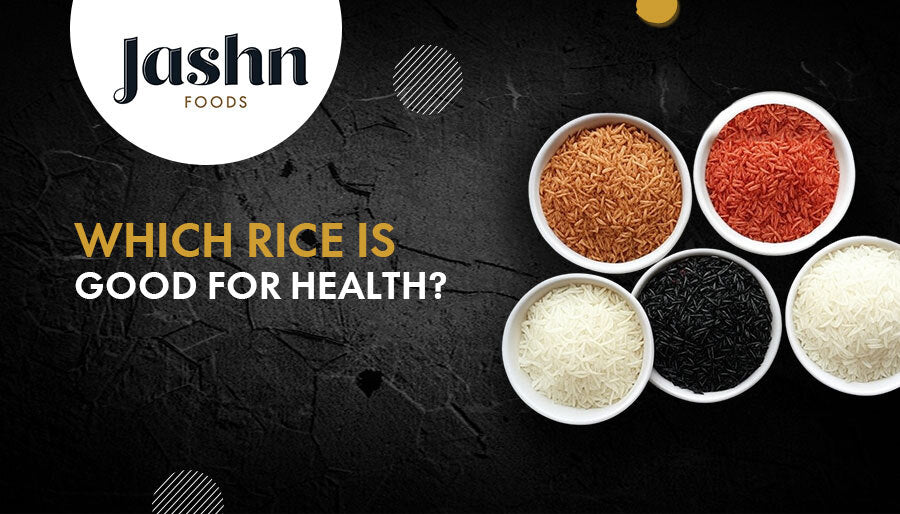
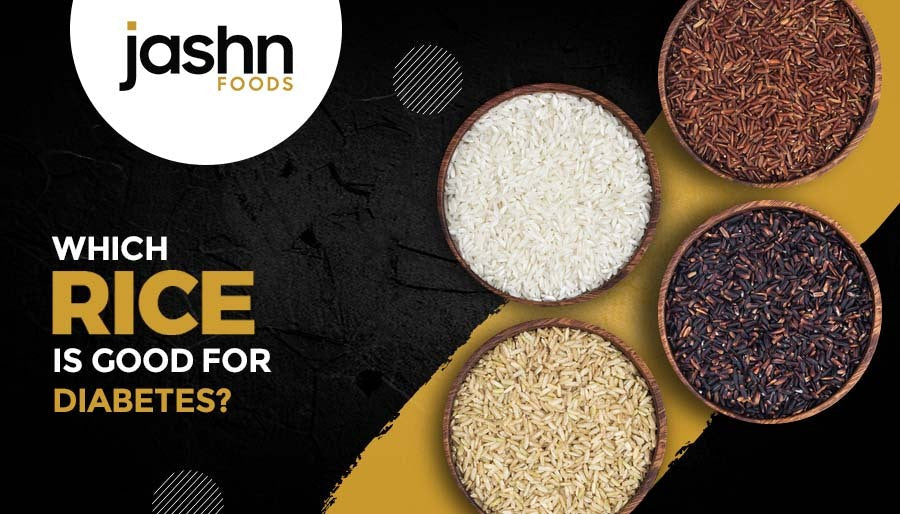
Black rice, red rice, and other less common varieties have become easier to find in Indian supermarkets and online stores. These grains often have firmer outer layers, which changes both cooking time and water absorption.
Rather than forcing them into a standard white-rice recipe, start with the instructions supplied for that particular product. The first batch is your reference point. Once you know how it behaves, you can make small adjustments based on the texture you prefer.
Specialty rice can work nicely in salads, grain bowls, mixed vegetable dishes, and modern Indian recipes. Jashn Foods also offers a range of rice choices for buyers looking beyond a single everyday variety. For commercial users, choosing the right grain for the menu can make preparation much more predictable.
Why rice sometimes becomes sticky or dry
Sticky rice is not always caused by the variety itself. Too much water, vigorous stirring, or repeatedly opening the lid can all change the texture.
Dry rice usually points to the opposite problem. There may not have been enough water, or the heat may have been too high for too long. Sometimes the rice simply needed a few extra minutes under a closed lid.
One habit makes a surprisingly large difference: do not interfere with the pot every few minutes. Once the rice begins simmering, give it a chance to cook. Constant checking feels helpful, but it often makes the cooking less consistent.
Resting the rice is part of cooking
Switching off the stove does not always mean the rice is completely finished. Steam trapped inside the covered vessel keeps working for a few minutes.
Leave the lid closed for around five to ten minutes after cooking. The grains become firmer as the moisture settles, and the surface usually feels less wet.
Then fluff the rice gently with a fork or flat spoon. Avoid digging through the pot aggressively, especially when working with long basmati grains. A light hand keeps more grains intact.
Small tests can save an entire batch
If you are trying a new rice variety, do not begin with five kilograms. Cook one cup first and see what happens.
Write down the amount of water, cooking time, soaking time, and the resting period. This may sound unnecessary at home, but it becomes extremely useful in restaurants and catering kitchens where consistency matters.
The same method also helps when changing suppliers. Even when two products look similar, their cooking behaviour may differ. Testing beforehand gives you a better idea of what your kitchen actually needs.
Conclusion
Once you stop treating every grain alike, cooking becomes much less frustrating. The right water level, cooking time, heat, and resting period depend on the variety in your kitchen.
Basmati usually rewards careful soaking and water control. Brown rice asks for patience, while parboiled rice generally needs a little more time. Short-grain rice has its own texture and should be chosen with the final dish in mind.
Learning how to cook different types of rice perfectly every time comes down to paying attention to a few basic details. Start with the grain, follow the product guidance, and make small changes rather than dramatic ones.
For home cooks, that approach means fewer failed batches and better meals. For restaurants, caterers, wholesalers, and bulk buyers, it can also mean more predictable results from one service to the next.
The quality of the rice itself still matters. Milling, processing, storage, moisture, and grain characteristics can influence how the final product behaves in the pot. That is why choosing a reliable supplier is just as important as getting the cooking method right.
Jashn Foods works with different rice varieties for household, food-service, and bulk requirements. When the grain suits the recipe and the cooking method suits the grain, good results become much easier to repeat.
In the end, perfect rice is rarely about a secret trick. It is usually about knowing what is in the pot, giving it the right amount of water, and resisting the urge to rush the process.
And once you understand those basics, how to cook different types of rice perfectly every time becomes a practical kitchen skill rather than a guessing game.
Great cooking begins with the right grain. Choose rice made for consistent results.