
Open almost any pantry in India and there’s a good chance you’ll find a bag of rice tucked away somewhere. Simple enough, until you actually stand in front of a shelf lined with a dozen varieties and realise you have no idea which one to grab. Taste matters, sure, but so does health, and so does the price tag.
That’s exactly why so many home cooks end up asking which rice is best for daily use, it’s rarely just about habit or what’s on sale. This piece walks through what actually separates one type of rice from another, including basmati rice, so the next time you’re shopping in Delhi, or ordering a sack online from halfway across the world, you’re not just picking whatever’s familiar.
Explore premium rice varieties trusted by thousands of families.
Understanding Which Rice is Best for Daily Use
What Actually Matters When You’re Choosing
Rice isn’t really “one food.” It’s more of a loose family, dozens of grains that cook differently, taste differently, and behave differently in your body. Before you commit to a bag, it helps to ask yourself a few things. How often does your household actually eat rice? Is anyone keeping an eye on blood sugar or weight? And what’s your usual cooking method, steaming, pressure cooking, or the slow, patient kind of simmering that some dishes demand?
Grains with a lower glycemic index break down more gradually, so you don’t get that post-meal sugar spike (and the crash that tends to follow). They also keep you feeling full longer, which quietly helps with portion control even if you’re not thinking about it. And then there’s aroma and grain length, genuinely important if pulao or a fragrant side with dal and sabzi is a regular fixture at your table.
The Rice Varieties Grown Across India
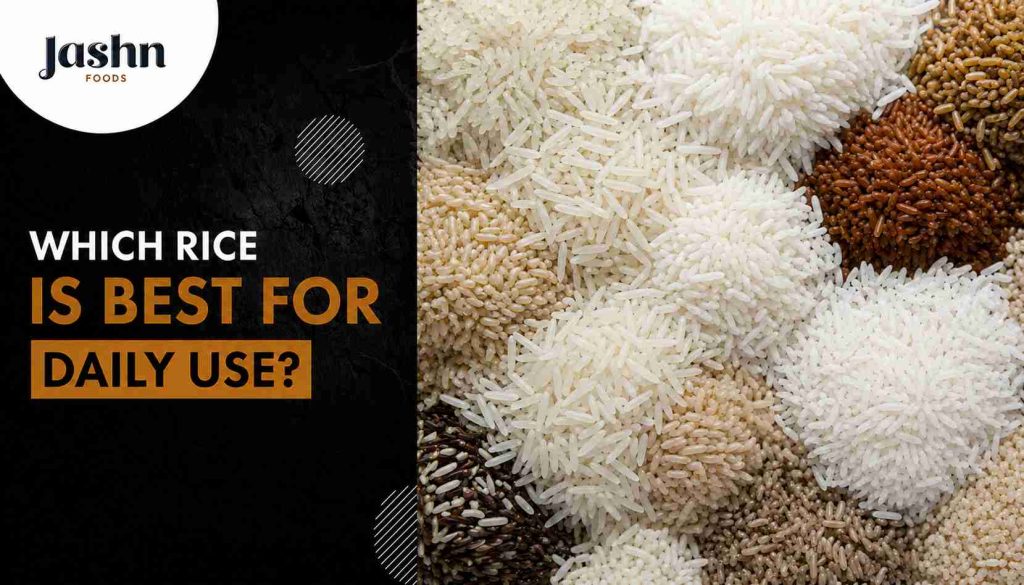
The range is honestly staggering. On one end you’ve got short-grain Sona Masoori; on the other, long, fragrant basmati grown in the foothills near the Himalayas. Short and medium-grain rice, think Sona Masoori, Kolam, Gobindobhog, turns out softer and stickier once cooked, which is exactly what you want for curd rice, khichdi, or a no-fuss South Indian meal.
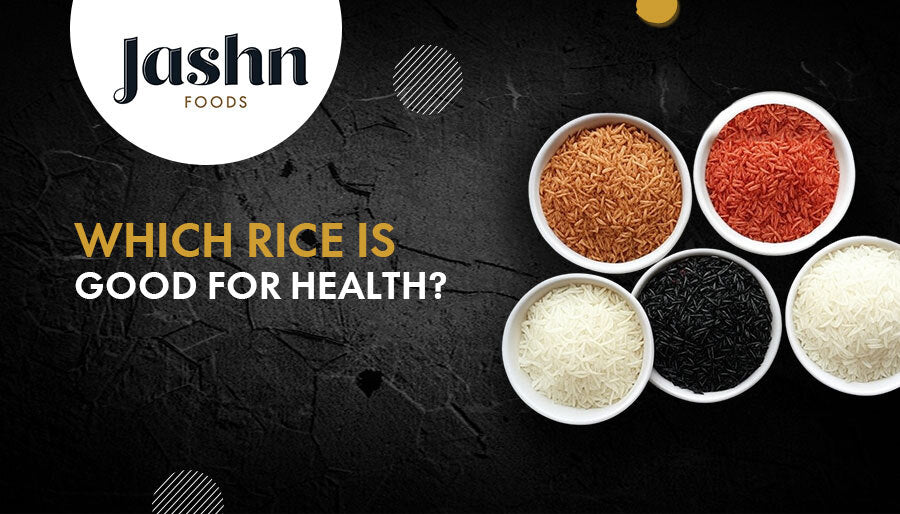
Long grain rice behaves completely differently. It stays separate, fluffy, distinct, never clumps together, which is why it’s the natural choice for dishes where texture is the whole point. Brown, red, and black rice belong in yet another category. They’re milled far less, so the bran layer stays intact, bringing extra fibre and micronutrients along with it.
Honestly, there’s no single “best” grain that works for every household. It comes down to your region, the dishes you cook most, and how your own body handles different carbs.
Climate and soil do a lot of the work long before rice ever reaches your kitchen. Basmati grows best in the alluvial plains of Punjab, Haryana, and parts of Uttarakhand, the cool nights and particular water conditions there are what give it that signature aroma. Sona Masoori comes largely out of Andhra Pradesh and Telangana, while Kolam dominates in Maharashtra. Buying rice grown close to its native belt usually means fresher grain too, since it hasn’t been passed through half a dozen middlemen before landing on your plate.
What the Nutrition Research Actually Says
The Indian Council of Medical Research treats cereals and grains, rice included, as the foundation of a balanced Indian diet, though it’s clear that cereals need to be paired with pulses, vegetables, and dairy rather than left to dominate the plate on their own. ICMR-NIN’s national dietary guidelines put a striking number on this: an estimated 56.4% of India’s overall disease burden traces back to poor dietary patterns. That alone is reason enough to think a bit harder about which grain you’re eating every day instead of just going with habit.
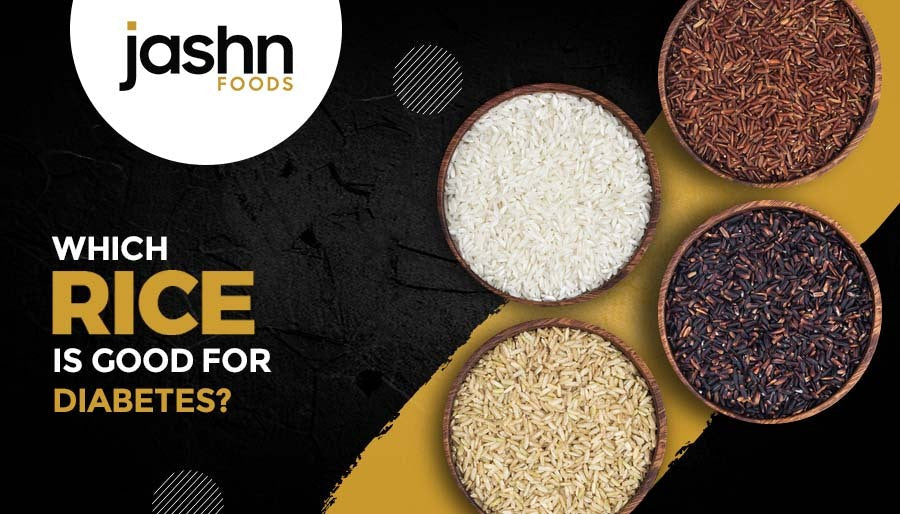
The glycemic index angle is worth paying attention to as well. Clinical nutrition research summarised by Fitterfly’s team suggests basmati typically sits lower on the GI scale than short-grain white rice. The reason comes down to structure, basmati holds together better during digestion instead of breaking down quickly, so for someone eating everyday basmati rice as a staple, this slower digestion can mean steadier energy through the day rather than a spike-and-crash pattern. Brown and unpolished varieties push this further still, thanks to their higher fibre content, though you do pay for it with longer cooking times and a firmer bite.
Discover carefully selected rice varieties for delicious, everyday nutrition.
Why the Supplier Matters Almost as Much as the Variety
Here’s something a lot of people overlook: even a good variety can disappoint if it hasn’t been sourced well. Ageing, moisture control, cleaning standards, all of it shapes flavour and shelf life more than people realise. This is really where working with established basmati rice suppliers in India such as Jashn Foods pays off, since grain that’s been properly aged and sorted cooks more evenly and holds its aroma far longer than something freshly milled. Before placing a bulk order, it’s worth checking whether the supplier discloses harvest year, milling process, and certifications like ISO or FSSAI licensing.
Names Worth Knowing
Brand reputation counts for a lot when you can’t judge quality just by looking at the grain. Some of the well-known Indian basmati rice brands earned their reputation through consistent grain length, careful aging, and dependable sourcing out of the Punjab-Haryana basmati belt. Reading the label, checking for an FSSAI approval number, and glancing at customer reviews before buying, especially the first time you order rice online, can spare you an inconsistent, disappointing batch.
Exports, Market Trends, and Your Grocery Bill
Global demand affects rice prices more than most shoppers ever notice. Per APEDA’s official export figures, India’s rice export value climbed from USD 8.82 billion in 2020-21 to USD 12.47 billion in 2024-25, with export volumes now crossing 20 million metric tonnes. India remains the world’s largest rice exporter by a wide margin, holding somewhere around 30 to 35 percent of global trade.
When international demand shifts, domestic prices tend to follow, since millers are constantly weighing export orders against what’s needed locally. Keeping half an eye on seasonal harvest reports can help you time bulk purchases and dodge the price bump that comes during peak export months.
Rice for Festive Cooking and Biryani
Everyday meals and celebration meals often call for entirely different grains. Dum-style cooking, layered biryanis, festive spreads, none of it works with just any rice. This is exactly why biryani rice tends to be an aged, extra-long basmati: its low starch content keeps each grain distinct instead of turning mushy through the long steam-cooking process, and texture is a big part of how a biryani gets judged.
Enjoy premium rice that complements a healthy, balanced lifestyle.
India’s Fortified Rice Push
Micronutrient deficiency is still a genuine problem in parts of the country, which is why the government now requires iron, folic acid, and vitamin B12 fortification in rice distributed through public schemes. Fortified rice looks almost indistinguishable from the regular kind, you might notice a few slightly harder kernels mixed in during milling, nothing more. If you’re buying packaged rice for daily home use, it’s worth checking the label for fortification details, particularly if there are growing children or pregnant women in the household.
Storage and Cooking Habits That Actually Help
Good rice deserves a bit of care at home. Keep it in an airtight container, away from moisture and direct sunlight, so it doesn’t attract weevils or clump up. Rinse it gently rather than scrubbing it repeatedly, the ICMR actually advises against over-washing rice and pulses, since it strips away water-soluble vitamins and minerals in the process.
For everyday cooking, a 1:1.5 water-to-rice ratio suits basmati well, while short-grain varieties generally need a touch more water. And letting cooked rice cool for a few minutes before serving isn’t just a texture thing, it helps develop resistant starch, which several nutrition researchers link to a gentler effect on blood sugar.
The Bottom Line
There’s no single “correct” answer to which rice is best for daily use, it really depends on your health goals, your regional cooking habits, and what your budget allows. For most Indian households, a well-aged, properly sourced basmati makes a dependable daily staple, while brown or red rice suits anyone prioritising fibre. Whatever you land on, buying from a transparent, quality-focused source will matter more in the long run than whatever’s printed on the packet.
Explore our carefully selected rice collection and find the perfect fit for your family’s everyday meals.