
Every home cook has ruined a pot of rice at least once. Basmati rice looks easy to cook. But get the rice to water ratio for basmati rice wrong, and the grains turn mushy or stay hard in the middle. The right ratio changes everything. It decides whether your rice comes out fluffy and separate, or sticky and clumped together. This guide breaks down the exact ratio you need, based on soaking time, rice age, and cooking method. Start with premium basmati rice, and the rest gets much easier.
Upgrade to export-quality basmati before your next meal.
Understanding the Rice to Water Ratio for Basmati Rice
Basmati rice is different from regular rice. The grains are long and thin. They need less water than short-grain varieties.
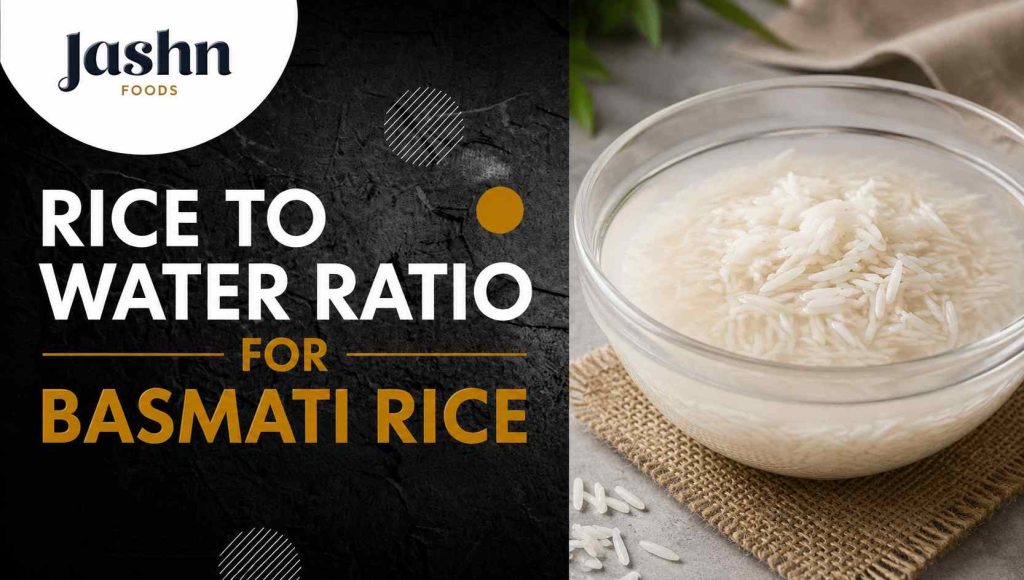
Most cooks use a ratio of 1 cup rice to 1.5 cups water. Some recipes call for 1:1.75. The exact number depends on a few small factors.
Get this ratio right, and each grain stays separate after cooking. Get it wrong, and you get a sticky mess or dry, undercooked rice.
Why the Ratio Matters So Much
Rice absorbs water as it cooks. Too much water and the grains break down. Too little, and they stay hard.
Basmati grains are delicate. They can turn mushy faster than other rice types. A small mistake in measurement shows up clearly on your plate.
This is why measuring matters more here than with other grains. Precision pays off.
The Standard Ratio to Use
For plain steamed basmati rice, use 1 cup rice to 1.5 cups water. This works well for most stovetop methods.
If you like softer rice, add a little more water. Try 1:1.75 instead. For firmer grains, stick closer to 1:1.25.
Always rinse the rice first. This removes extra starch. Rinsing also affects how much water the rice will absorb later.
Soaking Changes the Numbers
Soaking rice before cooking is common in Indian kitchens. It softens the grains and shortens cooking time.
If you soak rice for 20 to 30 minutes, reduce the water slightly. Try 1:1.25 instead of 1:1.5. Soaked rice has already absorbed some moisture.
Skipping the soak? Stick with the standard ratio. The rice will need that extra water to cook fully.
New Rice Compared to Aged Rice
Not all basmati rice behaves the same way. Aged rice, stored for a year or more, absorbs more water than freshly harvested rice.
Aged grains are drier. They need extra liquid to cook properly. Add a bit more water than usual, maybe an extra two tablespoons per cup.
New rice holds more moisture already. Use slightly less water, or the grains turn soft too fast.
Most premium basmati brands mention the age of the rice on the packaging. Check this before you measure.
Ratio Changes by Cooking Method
The method you use also changes the ratio. Stovetop cooking, pressure cookers, and electric cookers all behave differently.
Stovetop pot: Use 1:1.5. Cover and simmer on low heat.
Rice cooker: Use 1:1.25. Rice cookers trap steam better, so less water evaporates.
Pressure cooker: Use 1:1. Pressure cooking needs less water because steam builds up quickly.
Instant Pot: Use 1:1 as well, with a short natural release.
Each method traps steam differently. That difference is why the ratio shifts.
Getting the Water Right for Biryani
Biryani needs a different approach altogether. The rice is usually parboiled first, then layered with meat or vegetables.
For biryani rice, many cooks use a 1:1.5 ratio during the initial boil, then drain the rice before it fully cooks. The remaining cooking happens through steam, in the dum process.
This method keeps every grain long and separate. It also prevents the rice from turning mushy under the weight of the layers above it.
Rice for Everyday Cooking
Not every dish needs the fancy layering of biryani. Daily meals call for something simpler.
For plain rice, pulao, or khichdi, the standard 1:1.5 ratio works well every time. This makes basmati a strong choice as the best rice for daily use in most Indian households.
Consistency matters here. Once you find a ratio that works with your usual brand, stick with it.
Start with basmati that delivers consistent results every time.
Why the Source of Your Rice Matters
Rice quality affects the final texture, no matter how careful you are with water. Broken grains, mixed batches, or poor storage all throw off your results.
Buying from a reliable basmati rice manufacturer such as Jashn Foods helps avoid this problem. Consistent grain length and proper aging make cooking far more predictable.
Cheap, unbranded rice often has mixed grain sizes. This means uneven cooking, even with the correct water ratio.
Why Origin Matters
Basmati rice traditionally comes from the foothills of the Himalayas, across parts of India and Pakistan. The soil and climate there give the grains their signature aroma and length.
Choosing a trusted Indian rice brand often means better sourcing from these regions. It also means more consistent quality across batches, since long-established brands follow stricter grading standards.
This matters for both home cooks and small food businesses that need predictable results.
How Much Rice Per Person
Water ratio is only half the equation. Portion size matters too, especially when cooking for a family or a small gathering.
A good rule is half a cup of raw rice per adult. This usually doubles once cooked, since rice absorbs water and expands.
For four people, start with two cups of raw rice. Scale the water using your chosen ratio. This keeps portions predictable and avoids leftover waste.
Restaurants and caterers often use slightly less per head, closer to a third of a cup raw. Home kitchens tend to serve a bit more generously.
A Quick Note on Nutrition
Basmati rice sits lower on the glycemic index than many other rice varieties. This makes it a gentler option for everyday meals.
A typical cooked cup contains roughly 200 calories, along with small amounts of protein and fiber. The exact numbers shift slightly between brands and cooking methods.
Cooking with the correct water ratio also helps here. Overcooked rice tends to break down starches faster, which can raise its glycemic impact slightly. Properly cooked, separate grains digest more slowly.
This is one more reason to measure water carefully, rather than guessing by eye.
Explore premium varieties sourced directly from India.
Storing Leftover Rice the Right Way
Cooked rice does not last long at room temperature. Bacteria can grow within just a couple of hours, especially in warm Indian kitchens.
Cool the rice quickly, then refrigerate it within an hour of cooking. Store it in a sealed container.
Reheat leftover rice thoroughly before eating. Add a splash of water to loosen the grains again, since refrigeration dries them out.
Most cooked basmati rice stays safe in the fridge for about two days. Freezing extends this further, up to a month, without much loss in texture.
Common Mistakes to Avoid
Many people lift the lid while rice cooks. This lets steam escape and throws off the ratio completely. Keep the lid closed until the timer ends.
Others use a rice-to-water ratio that ignores soaking time. This leads to overly soft rice, even when the initial measurement was correct.
Some cooks skip resting the rice after cooking. Let it sit, covered, for five minutes once the heat is off. This allows the steam to finish the job evenly.
Does the Type of Water Matter?
Hard water can affect how rice cooks. Minerals in the water sometimes make grains slightly firmer, even with the correct ratio.
Filtered or regular drinking water usually gives the most predictable results. If your tap water is very hard, consider using filtered water for rice.
This small change rarely gets attention, but it can explain why the same recipe cooks differently in different homes.
Choosing the Right Pot
A heavy-bottomed pot distributes heat evenly. This prevents the bottom layer of rice from burning before the top finishes cooking.
Thin, lightweight pots heat unevenly. Rice near the base can scorch while the rest stays undercooked, even with the right water ratio.
A wide pot also helps steam escape less and cook the rice more evenly across the surface.
A Few Practical Tips
Use a proper measuring cup, not a random bowl. Consistency in measurement leads to consistency in results.
Keep the flame low once the rice starts boiling. High heat cooks the outside faster than the inside, leaving uneven texture.
Fluff the rice gently with a fork after resting. Avoid stirring with a spoon, since this can break the grains.
Final Thoughts
Cooking basmati rice is simple once you understand the ratio. Small adjustments for soaking, rice age, and cooking method make a big difference in the final result.
Start with 1:1.5 as your base. Adjust from there based on your rice and your method. With a bit of practice, perfectly fluffy basmati rice becomes second nature.
Choose premium basmati that cooks fluffy every time.