
Walk through any grocery store today and you’ll notice something that wasn’t as common a few years ago: shoppers spending more time comparing products.
They’re checking prices. Looking at package sizes. Calculating value.The rice aisle is no exception.
For decades, rice occupied a unique place in household spending. It was affordable, familiar, and easy to buy without much consideration. Families knew which variety they preferred, picked up their usual pack, and moved on. Today, that process is becoming less automatic.
Rising living costs have changed the way consumers think about everyday purchases. Even products that remain essential are being evaluated more carefully. Rice may still be a staple food across much of the world, but the decision-making process behind buying it is becoming increasingly complex.
The change isn’t necessarily about buying less rice. It’s about buying differently.
Explore Jashn Foods rice varieties before your next grocery run.
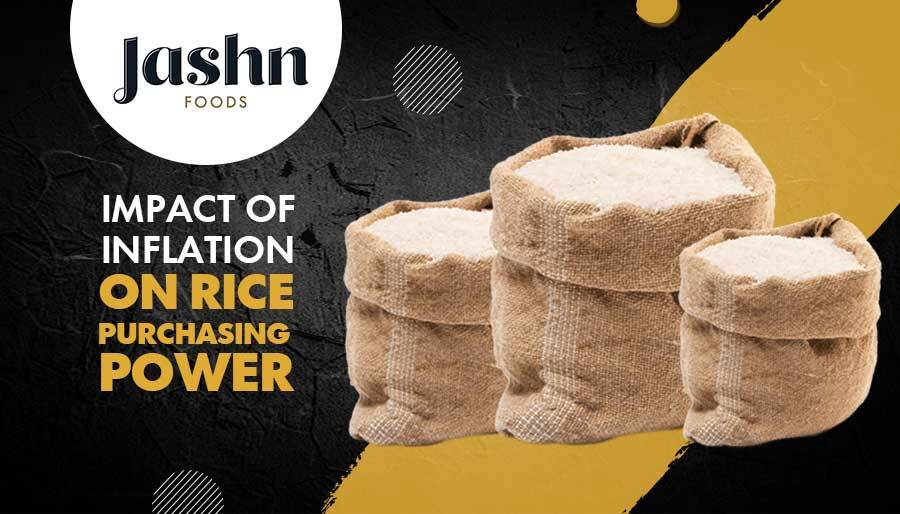
Understanding Impact of Inflation on Rice Purchasing Power
The Grocery Budget Doesn’t Stretch Like It Used To
Most people don’t need economic reports to know when inflation is affecting their lives.They see it during routine shopping trips.
A budget that once covered a full month’s groceries may now feel tighter. Consumers find themselves adjusting quantities, delaying purchases, or comparing products that they never previously considered.
Rice is often one of the first products where these changes become visible because it is purchased so frequently. When a staple item rises in price, households notice almost immediately.
What makes the situation particularly interesting is that demand rarely disappears. Families still need rice. They still cook with it regularly. What changes is the way they approach the purchase.
Instead of grabbing the first familiar product on the shelf, many shoppers now take a closer look at alternatives. Some compare brands. Others compare weights and pack sizes. Many simply want to understand where their money is going.
That behavior reflects a broader shift in consumer thinking. Value has become just as important as price.
Why Rice Costs More Than It Did A Few Years Ago
From the outside, a higher retail price can seem straightforward. In reality, the cost of rice is influenced by a long chain of expenses that extends far beyond the farm.
Cultivation costs have increased in many markets. Farmers often face higher prices for fertilizer, fuel, labor, irrigation, and equipment maintenance. These are not optional expenses. They are fundamental to production.
Then comes transportation.
Rice travels through multiple stages before reaching consumers. It may move from farms to mills, from mills to warehouses, and from warehouses to retailers. Every step involves logistics, and logistics become more expensive when fuel prices rise.
Packaging costs have also become harder for businesses to ignore. Materials, storage facilities, electricity, and operational overheads all contribute to the final price consumers see on store shelves.
See why thousands of households trust Jashn Foods for their everyday rice needs.
No single factor tells the whole story.
Rather, the market is experiencing pressure from several directions at once, making price increases difficult to avoid.
Shoppers Are Becoming More Strategic
Retailers across many markets report similar patterns.Consumers are paying attention.
Price tags that once went unnoticed are now examined more carefully. Promotional offers generate stronger responses. Discounts attract greater interest than they did during more stable economic periods.
One noticeable trend is the popularity of smaller package sizes.
At first glance, buying larger quantities often appears more economical. The cost per kilogram is typically lower. Yet many households prefer smaller purchases because they require less immediate spending.
For families managing monthly budgets, cash flow can matter more than long-term savings.There is also a growing awareness of waste.
Food that goes unused represents lost money. As a result, consumers are becoming more deliberate about meal planning, storage practices, and inventory management at home.
These aren’t dramatic lifestyle changes. They’re practical adjustments made in response to economic reality.
Price Matters, But Quality Still Wins
There is a common assumption that rising prices automatically push consumers toward the cheapest option available.The reality is often more nuanced.
Many shoppers are willing to spend slightly more if they believe a product delivers consistent quality. This is particularly true for rice because quality is easy to recognize once it reaches the dinner table.
Texture matters. Aroma matters. Cooking consistency matters. For households that prepare rice several times a week, these characteristics influence satisfaction just as much as price.
As budgets tighten, consumers often become more selective rather than less selective. They want reassurance that every purchase will meet expectations.
In other words, they aren’t simply searching for lower prices. They’re searching for better value.
See why thousands of households trust Jashn Foods for their everyday rice needs.
The Premium Rice Segment Faces Different Pressures
Premium varieties tell a slightly different story.
Products such as basmati rice occupy a unique position in the market because purchasing decisions are influenced by both necessity and preference. Consumers choose them not only for nutrition but also for the dining experience they provide.
This becomes especially relevant when prices rise.The basmati rice price often attracts attention because premium categories tend to reflect supply-chain pressures more visibly. Production standards, storage requirements, and distribution costs can all influence pricing within this segment.
Some consumers respond by reducing purchase frequency.Others continue buying their preferred variety but become more selective about quantity and timing.
Interestingly, loyalty within premium categories often remains strong despite economic pressure. Many consumers view these products as worthwhile investments in quality rather than optional upgrades.
What Businesses Are Learning From Today’s Consumer
The past few years have highlighted an important lesson for the food industry.Consumers are paying attention in ways they weren’t before.
They research products. Compare brands. Evaluate quality. Look beyond marketing claims.This shift creates both challenges and opportunities for suppliers.
Companies that can maintain quality while improving operational efficiency are often better positioned to navigate uncertain market conditions. Strong sourcing networks, reliable supply chains, and consistent product standards become valuable competitive advantages.
At the same time, transparency matters more than ever. Consumers want to understand what they are buying and why a product is priced the way it is.Trust has become a business asset.
Why Established Brands Continue To Hold Their Ground
When household budgets come under pressure, confidence becomes important.
Consumers may experiment occasionally, but many continue returning to brands they know. Familiar products remove uncertainty from the buying process. Shoppers already understand the quality, cooking performance, and overall value they can expect.
This helps explain why established rice brands often maintain customer loyalty even during periods of economic instability.
Brand loyalty is rarely built overnight. It develops through consistent experiences over time. And during uncertain periods, consistency carries significant weight.
Looking Ahead
No one can predict exactly how food prices will evolve over the next several years. Economic conditions, agricultural output, transportation costs, and global trade dynamics will all continue influencing the rice market.
What seems clear, however, is that consumers have become more intentional.
The habits developed during recent inflationary periods—comparing prices, focusing on value, reducing waste, and evaluating quality more carefully—are unlikely to disappear completely.
Even if inflation eases, many shoppers will continue making purchasing decisions with greater awareness than they did before.
That shift may ultimately become one of the most lasting effects of rising prices.
Conclusion
Rice remains one of the world’s most important staple foods, but the way consumers purchase it is evolving. Inflation has encouraged households to think more carefully about spending, compare options more frequently, and place greater emphasis on value.
For consumers, the challenge is balancing affordability with quality. For businesses, the challenge is meeting those expectations while managing rising costs across the supply chain.
The story isn’t simply about higher prices. It’s about changing behavior. And in today’s marketplace, that may be the more significant trend of all.
Choose trusted rice varieties that bring long-term value to every meal.