
Talk to anyone running a kitchen in Hyderabad—whether it’s a small biryani outlet or a large catering setup—and you’ll hear the same thing: rice isn’t just an ingredient, it’s the backbone of the business. And lately, the way it’s being purchased has changed quite a bit.
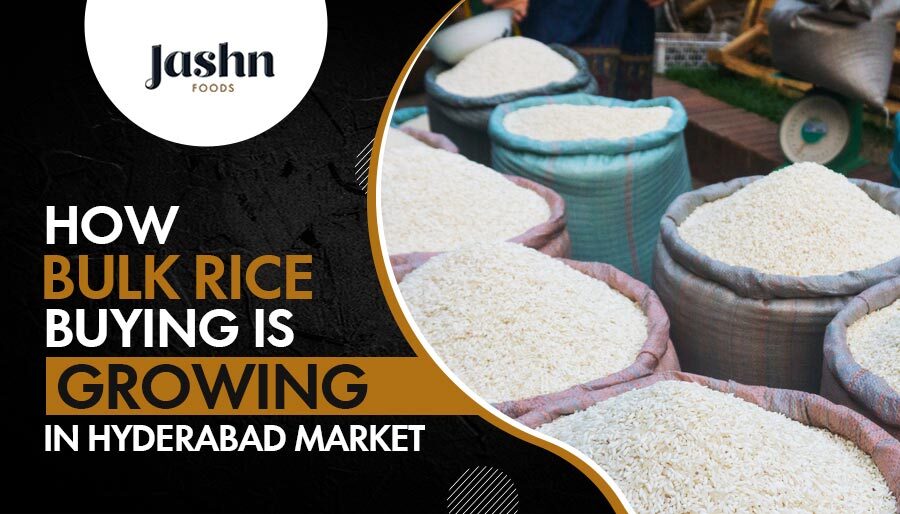
Not long ago, many businesses preferred buying smaller quantities more frequently. It felt safer—less storage, less risk. But that approach is slowly giving way to bulk buying. Not because it’s trendy, but because it simply makes more sense now.
With the steady rise in demand for rice in Hyderabad, businesses are looking for ways to stay consistent, control costs, and avoid last-minute supply issues. Bulk buying ticks all those boxes, which is why it’s becoming the preferred approach across the city.
Why Hyderabad is a High-Demand Rice Market
Hyderabad runs on rice. That might sound like an exaggeration, but it isn’t far from the truth. Biryani alone drives a massive chunk of consumption, and it’s not limited to weekends or special occasions—it’s an everyday affair.
Add to that the number of restaurants, cloud kitchens, mess services, and caterers operating across the city. The food business here doesn’t slow down, and neither does the demand for raw materials.
What’s interesting is how structured the supply side is becoming. Compared to markets like rice in Kolkata, where buying habits can still be more traditional in certain areas, Hyderabad is moving toward planned, volume-based sourcing. Businesses are thinking in terms of weeks and months, not just days.
What’s Driving the Shift Toward Bulk Buying?
It Helps Keep Costs Predictable
Anyone in the food business knows how quickly expenses can spiral. Buying in bulk helps lock in better rates, at least for a while. When you’re using large quantities every day, even a small price difference per kilo can have a real impact over time.
Consistency Matters More Than Ever
Customers notice when something changes—even if they can’t explain it. A biryani that tasted perfect last week but feels slightly off today often comes down to the rice. Bulk buying reduces that variation because you’re working with the same lot for longer.
Fewer Interruptions
Running out of stock during a busy service is a situation most kitchens try to avoid at all costs. Bulk purchasing acts as a buffer. It gives businesses breathing room so they’re not constantly chasing the next delivery.
Catering Has Grown Big
Hyderabad’s event scene is always active—weddings, corporate events, private functions. Caterers can’t afford uncertainty, so they prefer to secure their supplies in advance, usually in bulk.
Who’s Actually Buying in Bulk?
It’s not just large businesses anymore.
- Restaurants and biryani outlets lead the way, simply because of the volume they handle daily.
- Caterers depend on bulk stock to execute events without last-minute stress.
- Retail shop owners buy in larger quantities to keep up with steady neighborhood demand.
- Food businesses producing packaged meals or ready mixes also rely on consistent supply.
The common thread is reliability—everyone wants fewer surprises when it comes to sourcing.
Which Rice Varieties Are Commonly Bought in Bulk?
Basmati Rice
For dishes where aroma and presentation matter, basmati is hard to replace. Businesses often try a few basmati rice brands before settling on one that suits their cooking style and customer expectations.
Sona Masoori
This is more of a daily-use staple. It’s lighter, cooks faster, and works well for regular meals. Many smaller eateries prefer it for that reason.
Other Varieties
There are also several non-basmati options used where affordability is the main concern, especially in high-volume cooking.
One thing that often influences buying decisions is the basmati rice price. When rates are favorable, businesses tend to stock up a bit more than usual—it’s a simple way to manage future costs.
The Not-So-Easy Side of Bulk Buying
Bulk buying solves many problems, but it introduces a few of its own.
Quality variation is a common complaint. Not every supplier delivers the same consistency, and even small differences can affect the final dish.
Price fluctuations can also be tricky. Markets change, sometimes quickly, and that can impact purchasing decisions.
Then there’s storage. Rice needs the right conditions to stay fresh. Without proper handling, there’s always a risk of spoilage or pests.
And finally, finding a dependable supplier isn’t always straightforward. Some businesses experiment with multiple vendors, including large rice exporters in India, before settling on one they trust.
Choosing the Right Supplier Makes All the Difference
Ask around, and you’ll hear plenty of stories about suppliers who started well but couldn’t maintain consistency. That’s why most experienced buyers look beyond just price.
They check whether the quality holds up over time, not just in the first few deliveries. They pay attention to how transparent the pricing is. And they value suppliers who deliver on time without constant follow-ups.
Some even compare options across different markets—like checking rates from rice suppliers in Chennai—just to understand where they stand before making a decision.
In the end, reliability tends to outweigh everything else.
Where Jashn Foods Fits In
For businesses that prefer not to take chances with their supply, working with a stable and consistent source becomes important. That’s where Jashn Foods comes into the picture.
What stands out is the focus on maintaining uniform quality across batches. For a business that depends on repeat customers, that consistency matters more than anything.
There’s also flexibility in terms of options—whether it’s premium basmati or everyday varieties, buyers can choose what fits their requirement. Pricing is structured in a way that makes bulk buying practical, and the supply system is designed to handle regular demand without disruptions.
Instead of juggling between multiple vendors or exploring different rice exporters in India, many businesses find it easier to stick with a supplier that delivers reliably over time.
What Lies Ahead for Bulk Rice Buying in Hyderabad
Looking at how things are moving, bulk buying isn’t going anywhere—it’s only becoming more common.
The food industry in Hyderabad continues to expand, and with that comes higher demand for ingredients. At the same time, customers are becoming more particular about quality, which pushes businesses to be more careful about what they source.
We’re also seeing early signs of more organized procurement—businesses planning ahead, comparing suppliers, and thinking long-term. Markets that still rely heavily on traditional buying patterns, like parts of rice in Kolkata, may gradually move in the same direction.
Conclusion
Bulk rice buying in Hyderabad didn’t grow because of a single reason. It’s the result of many small shifts—rising demand, tighter margins, and the need for consistency in a competitive space.
For businesses, it’s no longer just about buying rice. It’s about buying smart—choosing the right quantity, at the right time, from the right supplier.
Those who get that balance right tend to run smoother operations and face fewer surprises. And in a business where consistency is everything, that advantage goes a long way.