
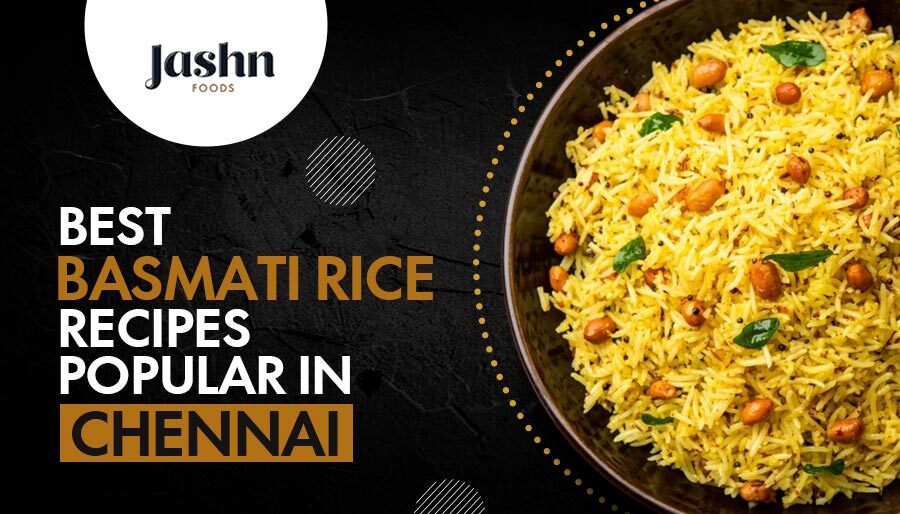
If you’ve spent any time in Chennai, you already know one thing—rice is at the heart of almost every meal. From a simple weekday lunch to elaborate weekend cooking, it’s always there in some form. Traditionally, most homes have relied on local varieties, but things are changing a bit now.
More people are experimenting in the kitchen, and with that, basmati rice has quietly found its way into Chennai households. It’s not replacing traditional rice—but it’s definitely earning its own space. Especially when the goal is to cook something a little more special, a little more aromatic, or just different from the usual.
Let’s look at how basmati rice is being used in Chennai today, and the recipes where it truly shines.
Why Basmati Rice is Finding a Place in Chennai Kitchens
This shift didn’t happen overnight. It’s been gradual.
People started noticing that basmati rice behaves differently. The grains stay separate, the texture is lighter, and there’s a subtle aroma that you don’t get with regular rice. For certain dishes, that makes a noticeable difference.
It’s not just home kitchens either. Restaurants and caterers have also started using basmati more often—especially for dishes where presentation matters just as much as taste.
You’ll see similar patterns in other cities too. Whether it’s rice in Hyderabad used for rich biryanis or the growing network of rice suppliers in Kolkata, the demand for good basmati rice is clearly rising across the country.
Basmati Rice Recipes That Are Popular in Chennai
Not every dish needs basmati rice. But for some recipes, it just works better. Here are a few that people in Chennai are enjoying more and more with basmati.
Chennai-Style Biryani
Biryani is serious business here. Everyone has their own preference—spicy, flavorful, and deeply satisfying.
When basmati rice is used:
- The grains don’t break easily during cooking
- Each layer remains distinct
- The final dish feels a bit more refined
For anyone cooking in large quantities—especially caterers—this matters a lot. The rice needs to hold up well under pressure, and basmati usually does the job.
Vegetable Pulao for Everyday Meals
Pulao is one of those dishes that shows up when you want something quick but still satisfying.
Using basmati rice here makes the dish feel lighter. The vegetables stand out more, and the rice doesn’t clump together. It’s a small change, but once you notice it, it’s hard to ignore.
Among all long grain rice recipes, this is probably the easiest place to start.
Chicken Fried Rice (Street-Style Favorite)
Fried rice is everywhere in Chennai—from roadside stalls to proper dining spots.
One thing that separates good fried rice from average is the texture. If the rice is sticky, the whole dish falls apart.
That’s where basmati rice helps:
It stays firm after cooking
It handles tossing and high heat well
It gives that slightly dry, separated texture people expect
It’s one of the reasons many restaurants prefer it.
Lemon Rice with a Slight Upgrade
Lemon rice is a classic. Tangy, simple, and comforting.
When made with basmati rice, it doesn’t lose its identity—it just feels a bit different. The grains stay longer and lighter, and the dish doesn’t feel as dense.
Some people prefer the traditional version, no doubt. But this variation is catching on, especially among younger home cooks.
Curd Rice, but a Little Different
Curd rice is comfort food, no debate there.
Using basmati rice changes the texture slightly. It won’t be as soft and mashed as the usual version, but that’s not necessarily a bad thing. It gives a cleaner, more structured feel—something that works well when serving guests or at events.
What Makes Basmati Rice Work So Well
There’s a reason why basmati rice is used in so many premium dishes.
It comes down to a few things:
Grain structure – It stays intact even after cooking
Aroma – Not overpowering, but enough to notice
Consistency – Especially important when cooking in bulk
For businesses, this consistency is key. That’s why many rice suppliers in India focus heavily on maintaining quality in their basmati offerings.
Choosing the Right Basmati Rice
Not all basmati rice is the same. If you’ve ever tried different packs, you’ve probably noticed that already.
Here’s what actually helps when choosing:
- Aged rice is usually better – It cooks fluffier
- Longer grains are a good sign – But not the only factor
- Smell matters – A good batch has a natural aroma even before cooking
Price can vary quite a bit too. The basmati rice price often depends on how well the rice has been processed and aged. Going for the cheapest option doesn’t always work out in the long run.
With so many basmati rice brands in India, it really comes down to finding one that delivers consistent results.
Finding a Reliable Rice Supplier
This is where many people get stuck.
Trying a new brand is easy. Finding one that works every single time—that’s harder.
For households, inconsistency is annoying. For restaurants or caterers, it’s a real problem.
That’s why working with trusted names like Jashn Foods makes a difference. Known among dependable rice suppliers in India, they focus on maintaining steady quality across batches.
Whether someone is cooking at home or managing bulk orders, having a reliable source takes away a lot of uncertainty.
Final Thoughts
Food in Chennai is deeply personal. People don’t switch ingredients easily—and they don’t have to. Traditional rice varieties will always have their place.
But basmati rice is carving out its own space. Not as a replacement, but as an option for when the dish calls for something different.
If you’re trying out new recipes or even revisiting old ones, experimenting with basmati rice can be a simple way to change the outcome. Sometimes, it’s not about changing the recipe—it’s just about using a better ingredient.
And once you get used to that difference, it tends to stick.