
If you run a grocery store or deal in food grains in Kolkata, you already know one thing—rice isn’t just another product on the shelf. It’s something customers care about. They notice the smell, the texture, how it cooks, even how it looks in the bag.
And the tricky part? What works for one customer won’t always work for another.
Some walk in asking specifically for long-grain basmati for biryani. Others just want something affordable for daily meals. So, as a retailer, you’re constantly trying to strike that balance—quality, price, and availability.
This guide isn’t theory. It’s a practical way to think about buying rice in Kolkata, so you don’t end up with stock that just sits there.
Understanding What Actually Sells in Kolkata
Before you decide what to buy, it helps to pay attention to what’s moving off your shelves.
In most Kolkata markets, demand is usually split into two clear segments.
First, there’s the regular, everyday rice. This is what households buy in bulk—medium or short-grain varieties like Swarna or local options. The margins may not be huge, but the volume is steady.
Then there’s the premium side. This is where basmati comes in, especially because of biryani. Kolkata biryani has its own fan base, and people are quite particular about the rice they use.
During festivals or wedding seasons, you’ll notice a spike in demand for better-quality, aromatic rice. The rest of the year, daily-use varieties keep your business running.
If your stock doesn’t reflect this mix, you’re likely missing sales.
What to Check Before You Buy Rice
A lot of retailers make quick decisions based on price alone. It feels like the safest move—but it usually backfires.
Quality Still Comes First
Even a regular customer can tell when rice isn’t right.
Maybe the grains break too easily. Maybe it doesn’t cook evenly. Or the aroma just isn’t there.
For basmati, people expect long grains and a distinct fragrance. For daily-use rice, they want consistency—something that cooks the same way every time.
If the quality changes from one batch to another, customers notice. And once they lose trust, it’s hard to bring them back.
Don’t Ignore the Math (Margins Matter)
Of course, pricing matters. You’re running a business, not a charity.
But instead of just chasing the lowest rate, it’s better to think in terms of overall margin. A slightly better product often sells faster and brings repeat customers.
Also, keep an eye on changes in basmati rice price. It tends to fluctuate, and buying at the right time can make a difference over the month.
The Supplier Question (This Is Bigger Than It Looks)
Many retailers underestimate how important the supplier is.
You might get a good deal once or twice from different vendors. But if the quality keeps changing, it creates confusion—for you and your customers.
Working with a consistent supplier saves you from that headache. You know what you’re getting, and so do your customers.
That’s one reason many shop owners prefer dealing with established companies like Jashn Foods. It’s not just about branding—it’s about predictability. When the rice cooks the same way every time, customers don’t complain.
Loose vs Branded Rice — What Works Better?
In Kolkata, both have their place.
Loose rice is still popular, especially in price-sensitive areas. Customers like to see what they’re buying.
But branded rice is slowly picking up, particularly among families who don’t want to take chances with quality. Many of them are already familiar with well-known basmati rice brands in India, so they trust packaged options more.
As a retailer, it’s not about choosing one over the other. Keeping both gives you flexibility.
What Should You Keep in Stock?
If shelf space is limited, you have to be selective.
A practical mix would look something like this:
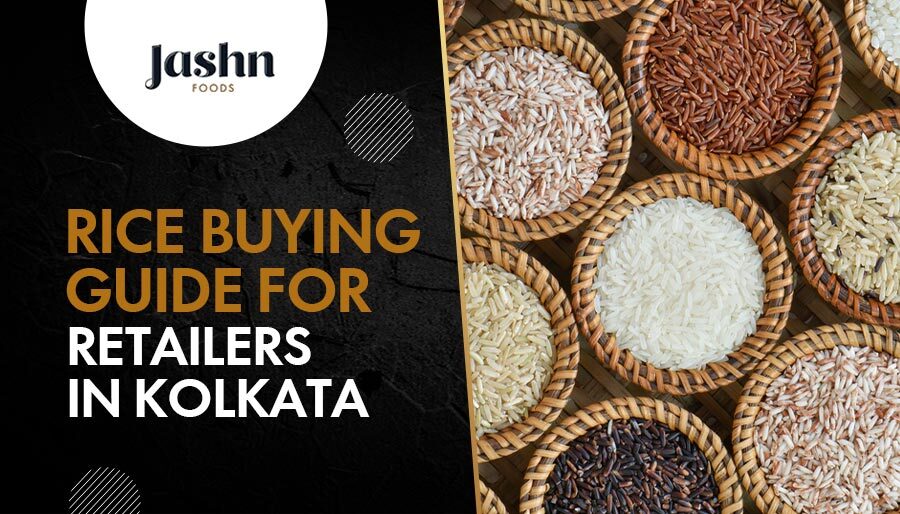
- One or two good basmati options (for biryani and premium buyers)
- A reliable daily-use rice (this will move the most)
- A local or regional variety like Gobindobhog (for specific dishes)
This way, you’re covering different types of customers without overloading your inventory.
Choosing the Right Supplier in Kolkata
There are plenty of suppliers in the market. Some offer better prices, some promise better quality. But very few manage both consistently.
When you’re deciding, keep it simple:
- Is the quality the same every time you order?
- Do they deliver on time?
- Do they offer enough variety?
If the answer to these is yes, you’re in a good place.
Some suppliers also operate beyond one city. For example, if a company is active in markets like rice in Hyderabad or works with rice suppliers in Chennai, it usually means they have a more structured supply system. That often translates into better consistency.
Brands that are also known as rice exporters in India tend to follow stricter quality processes, since export markets don’t tolerate inconsistency.
Mistakes That Cost Retailers Money
You don’t always realize these mistakes immediately, but they show up over time.
One common issue is overstocking cheap rice because it looks like a good deal. If customers don’t like it, it just sits there.
Another is ignoring feedback. If regular buyers start complaining—even casually—it’s worth paying attention.
And then there’s inconsistency. Changing suppliers too often might save a little money, but it usually affects customer trust.
How to Sell More Without Increasing Risk
You don’t always need more stock to increase sales. Sometimes, it’s about how you present what you already have.
For example, when someone asks for biryani rice, take a moment to recommend a better option. Not forcefully—just as a suggestion.
Small things like this build trust.
You can also try simple combinations. If someone is buying basmati, suggesting spices along with it makes sense. It’s relevant, and it adds value to the purchase.
Over time, regular customers start relying on your suggestions. That’s when your sales improve naturally.
Why Retailers Stick with Known Brands
At some point, most retailers stop experimenting and settle on suppliers they trust.
It usually comes down to three things:
- The rice is consistent
- There are fewer complaints
- The business runs more smoothly
That’s where companies like Jashn Foods come in. For many retailers, it’s less about trying something new and more about avoiding problems.
When supply is steady and quality doesn’t change, you spend less time dealing with issues—and more time actually selling.
Final Thought
Selling rice in Kolkata isn’t complicated—but it does require attention.
If you understand your customers, choose your stock carefully, and work with the right supplier, things become much easier.
You don’t need to get everything perfect from day one. Start with a few reliable options, see what works, and adjust as you go.
That’s how most successful retailers build their business anyway—step by step, not all at once.