
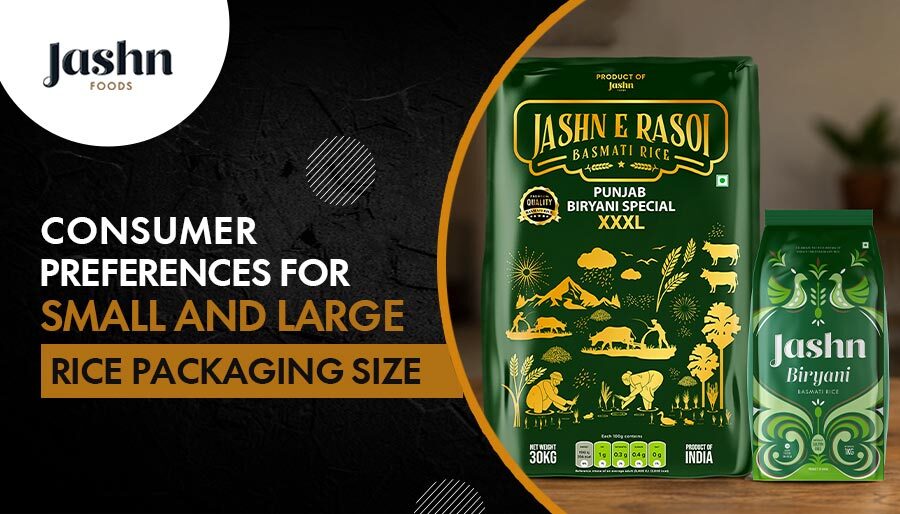
Walk into any supermarket, grocery store, or online marketplace today, and you’ll notice that rice is available in far more package sizes than it was a decade ago. Some shoppers reach for a compact pack that can fit easily into a kitchen cabinet, while others prefer a large bag that lasts for weeks or even months. These choices may seem simple on the surface, but they reveal a lot about changing buying habits. In fact, consumer preferences for small and large rice packaging size are increasingly influenced by convenience, household needs, shopping frequency, and spending patterns.
The way people purchase rice has evolved alongside modern lifestyles. Smaller households often look for flexibility, while larger families tend to focus on value and long-term supply. The rise of organized retail and e-commerce has also expanded the range of options available to consumers. Whether someone is buying premium basmati rice for special occasions or stocking up on everyday essentials, packaging size often becomes part of the decision-making process.
For rice producers and retailers, understanding these preferences is no longer optional. Packaging has become an important factor that can influence purchasing behavior, customer satisfaction, and even brand loyalty.
The answer may surprise you. Explore packaging options designed for different buying habits.
Understanding Consumer Preferences for Small and Large Rice Packaging Size
Not every consumer shops for rice in the same way. A young professional living alone may buy only enough rice for a few meals at a time. A family of six, on the other hand, is likely to think about storage space, monthly consumption, and overall value before making a purchase.
This difference in buying behavior explains why both small and large packs continue to have a strong presence in the market. One consumer may prioritize convenience above everything else, while another focuses on reducing the number of shopping trips each month.
Consumer preferences are often shaped by everyday realities. The size of a kitchen, the distance to the nearest store, the household budget, and even local shopping culture can influence which package size feels like the right choice. Because these factors vary from one buyer to another, there is no single packaging format that appeals to everyone.
Why Rice Packaging Size Matters in Consumer Buying Decisions
When consumers compare rice products, they are not evaluating grain quality alone. Packaging size plays a practical role that affects how the product fits into daily life.
For some households, a smaller package simply makes more sense. It is easier to carry home, easier to store, and often requires less upfront spending. For others, larger packs offer peace of mind because there is less need to worry about running out of stock unexpectedly.
Over the years, many basmati rice manufactures such as Jashn Foods have recognized that customer needs differ widely across markets. Instead of offering a limited selection, they have expanded packaging options to accommodate different lifestyles and consumption habits.
A package that feels convenient to one customer may feel impractical to another. This is exactly why packaging size continues to influence purchasing decisions across both developed and emerging markets.
Popular Rice Packaging Sizes Available in the Market
Rice packaging generally falls into several common categories, and each one serves a different type of buyer.
Smaller packs, usually ranging from 1 kg to 2 kg, are often purchased by individuals, couples, or shoppers who want to try a new variety before committing to a larger quantity. These packs are especially common in urban areas where storage space is limited.
Packages between 5 kg and 10 kg are widely viewed as a middle-ground option. They offer a reasonable quantity without becoming difficult to store or transport. Many families find these sizes suitable for regular household use.
At the larger end of the spectrum, 25 kg and 50 kg bags are commonly purchased by restaurants, caterers, wholesalers, and households with high consumption levels. These buyers often prioritize long-term value over convenience.
While quantity remains important, the importance of branding and packaging design in rice sales has become increasingly visible in modern retail environments. Attractive packaging often influences which product catches a shopper’s attention first, especially when several similar products are displayed side by side.
Find the ideal pack size for your home, store, or commercial requirements today.
Why Many Consumers Prefer Small Rice Packaging Sizes
Small rice packs continue to attract consumers for reasons that go beyond affordability.
One of the most obvious advantages is convenience. Carrying a lightweight package from a store to a vehicle or home is considerably easier than managing a bulky bag. This benefit becomes even more important in cities where people frequently shop in smaller quantities.
Another reason is freshness. Many consumers feel more comfortable opening a package that they expect to finish within a short period. They like knowing that the rice is being used while it is still at its best.
Smaller packages also create opportunities to experiment. Someone who wants to try a new rice variety is often more willing to purchase a smaller quantity rather than commit to a large bag immediately.
For budget-conscious shoppers, smaller packs can also make monthly spending easier to manage, particularly when food purchases are made gradually rather than in bulk.
Why Large Rice Packaging Sizes Continue to Attract Buyers
Despite the popularity of smaller packs, large rice packaging continues to hold a strong position in many markets.
A major reason is value. When rice is purchased in larger quantities, the cost per kilogram is often lower. During periods when the basmati rice price changes because of market demand or supply conditions, buying in bulk can help consumers manage overall costs more effectively.
Large households often see bulk purchases as a practical decision. Instead of returning to the store frequently, they can purchase enough rice to meet their needs for an extended period.
Businesses such as restaurants and catering operations depend heavily on larger packaging because rice forms a regular part of their menu offerings. For them, consistent availability is just as important as cost savings.
Many consumers also appreciate the convenience of knowing that an essential food item is already stocked at home, reducing the need for repeated purchases.
Explore packaging solutions that align with today’s changing consumer preferences.