
If you look at how people eat today compared to even a few years ago, the change is quite obvious. Cooking at home is still there, of course, but ordering food has become a regular part of life for many people.
It’s not just weekends anymore. People order on weekdays, late nights, during work hours – pretty much anytime. Food delivery apps have made it that easy.
Now, while most conversations focus on convenience or restaurant growth, there’s another side to this shift that doesn’t get talked about as much. It’s the effect on basic food ingredients – especially rice.
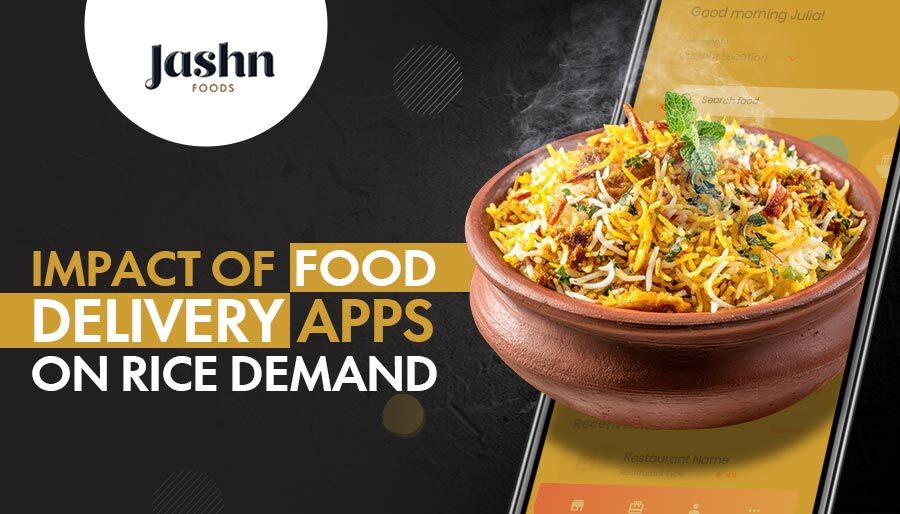
The Impact of Food Delivery Apps on Rice Demand is actually quite significant if you look at how restaurants and kitchens are operating today.
Impact of Food Delivery Apps on Rice Demand
Let’s keep it simple—what are people ordering the most?
In India, rice-based dishes are right at the top. Biryani, in particular, has been one of the most ordered items on food delivery platforms for years now. This isn’t a short-term trend. It’s consistent.
Now think about the backend.
Every order of biryani, fried rice, or even a simple meal combo means rice is being used. And not just in small amounts. Restaurants are cooking in bulk, especially those handling high delivery volumes.
So the Impact of Food Delivery Apps on Rice Demand is not just about more people eating rice – it’s about a steady, large-scale demand coming from commercial kitchens every single day.
The Shift in How Restaurants Operate
Earlier, restaurants depended heavily on dine-in customers. There were peak hours, slower hours, and some predictability.
That’s changed.
Now, orders come in throughout the day. Lunch, evening snacks, dinner, even late-night orders – it’s continuous. For many places, delivery orders make up a big part of their business.
Because of this, they can’t afford to run out of key ingredients. Rice is one of those essentials that has to be available at all times.
This is why you’ll see many restaurants moving towards bulk buying and more structured sourcing.
Why Rice-Based Dishes Work So Well for Delivery
Not every dish travels well. That’s something restaurants have learned over time.
Rice-based meals, however, are reliable:
They stay intact during delivery
They don’t spoil texture easily
They feel filling and complete
That’s why dishes like biryani, fried rice, and thalis keep getting ordered again and again.
There’s also another factor—value for money. A rice meal feels more satisfying compared to many other options, which makes it a frequent choice for customers.
The Role of Basmati Rice
When it comes to dishes like biryani, the type of rice used matters more than people think.
Good basmati rice has a certain look and feel – long grains, separate texture, and a distinct aroma. Even after delivery, it holds up well if cooked properly.
For restaurants, this becomes important because customer expectations are higher now. People notice quality, and they don’t hesitate to leave reviews.
Because of that, many kitchens prefer sticking to reliable quality rice instead of switching frequently.
Cloud Kitchens and Their Dependence on Rice
Cloud kitchens have added another layer to this entire system.
Unlike traditional restaurants, they are built purely for delivery. No dine-in, no walk-ins – just online orders. That means they focus heavily on dishes that are easy to prepare in volume and easy to deliver.
Rice-based dishes fit perfectly here.
Since these kitchens operate on scale, they rely on regular supply from basmati rice manufacturers who can provide consistent quality without interruptions.
For them, consistency is more important than anything else. Even small variations can affect taste and customer feedback.
Bulk Buying Has Become Normal
One clear change in recent years is how rice is purchased by businesses.
Instead of buying smaller quantities frequently, many restaurants now prefer bulk orders. It saves time, reduces risk, and ensures they don’t run into shortages during busy hours.
But bulk buying also brings its own challenges:
Storage needs to be managed properly
Quality has to remain consistent
Supply should be reliable
This is where established suppliers come into the picture. Brands like Jashn Foods are often preferred because they offer consistency, which is critical in a high-demand environment.
What About Prices?
As demand grows, price movement is expected. Basmati rice prices have seen fluctuations over time, and increased commercial demand plays a role in that.
Restaurants usually try to balance this carefully. They can’t compromise too much on quality, but they also can’t keep increasing menu prices frequently.
So, what happens is they look for suppliers who can offer stable pricing and dependable quality over time.
Demand Is No Longer Limited to Big Cities
At one point, food delivery growth was mostly seen in metro cities. That’s no longer the case.
Tier 2 cities are catching up quickly. With better app reach and faster delivery networks, ordering food has become common in smaller cities too.
And with that, rice consumption through commercial channels is increasing there as well.
This is one of the reasons the overall basmati rice market size continues to expand steadily.
Changing Menus and New Rice Dishes
Another interesting shift is in how menus are evolving.
Restaurants are experimenting more. You’ll see different variations of rice dishes, fusion options, and new rice recipes designed specifically for delivery.
Why? Because they know there’s demand.
Customers are open to trying new things, but they still prefer meals that feel familiar and satisfying -and rice-based dishes offer that balance.
Conclusion
The Impact of Food Delivery Apps on Rice Demand is not something that happened overnight, but it’s clearly visible now.
Food delivery has changed eating habits, and in doing so, it has increased the importance of rice in the food business. Restaurants, cloud kitchens, and suppliers are all adapting to this shift in their own way.
For suppliers, the focus is now on consistency and reliability. For restaurants, it’s about maintaining quality while handling growing demand.
And for brands like Jashn Foods, this shift creates a strong opportunity to support businesses that depend on steady, high-quality rice supply.
The way people order food may keep evolving, but one thing is clear – rice is going to remain a big part of that story.