
Walk through any supermarket today and you’ll notice something interesting. Rice shelves no longer look the way they did a few years ago. Alongside familiar varieties, there are now products marketed for their nutritional value, fiber content, and suitability for different lifestyles. Consumers are asking different questions than they once did. Instead of simply choosing a rice variety they grew up eating, many want to know how it fits into a balanced diet.
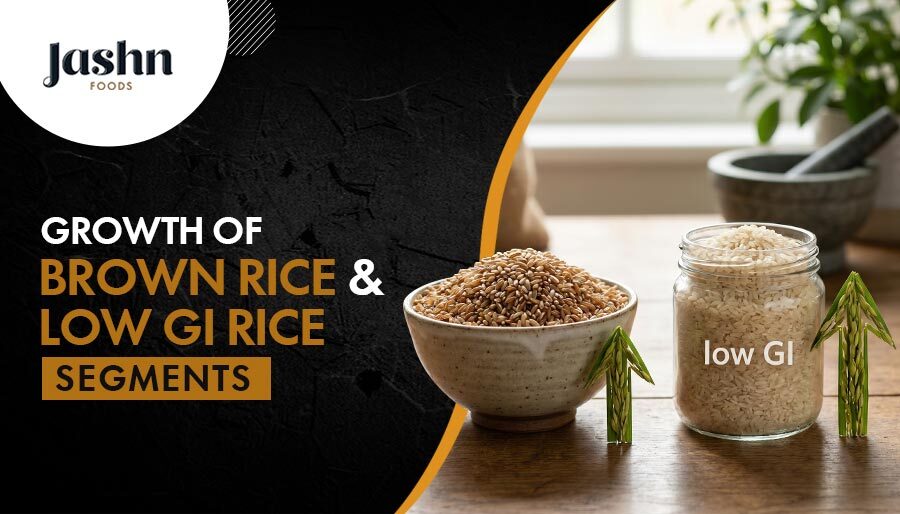
The growth of brown rice and low GI rice segments is closely tied to this change in consumer behavior. Across many countries, people are becoming more conscious of everyday food choices and their long-term impact. Interest in healthier alternatives is no longer limited to niche health stores. It has entered mainstream retail. Even premium varieties such as basmati rice are now part of broader discussions around nutrition and food quality.
Explore rice varieties aligned with evolving global food preferences.
Growth of Brown Rice and Low GI Rice Segments Is Changing the Global Rice Industry
For decades, the rice industry was largely driven by factors such as availability, price, cooking characteristics, and regional preference. Those factors still matter, but they are no longer the only things influencing purchasing decisions.
Consumers today have access to more information than ever before. A quick online search can reveal nutritional comparisons, dietary recommendations, and cooking advice. As a result, people are becoming more selective about what they buy.
This shift is creating new opportunities throughout the rice supply chain. Retailers are expanding their product ranges, exporters are exploring new markets, and producers are responding to demand for rice varieties that offer something beyond familiarity.
What’s particularly notable is that this trend is appearing across different regions rather than being confined to one market. From urban households to health-focused communities, interest in alternative rice categories continues to grow.
What Is Driving the Demand for Healthier Rice Options?
Part of the answer lies in changing lifestyles. Many consumers are paying greater attention to what they eat because they want their daily food choices to support broader wellness goals.
Information has also become easier to access. Nutritionists, healthcare professionals, food bloggers, and fitness experts regularly discuss dietary habits, making consumers more aware of different food options available to them.
At the same time, buyers have become more willing to experiment. A generation ago, families often purchased the same rice year after year. Today, shoppers are more open to trying new varieties if they believe there is a benefit in doing so.
Basmati rice brands such as Jashn Foods have seen this shift reflected in changing customer preferences. Interest is increasingly moving toward products that combine quality with nutritional value, creating demand for rice varieties that were once considered specialty choices.
Understanding Brown Rice and Its Benefits
Brown rice is not a new product. It has existed for centuries. What has changed is the level of attention it receives from modern consumers.
Unlike highly polished rice, brown rice retains layers that naturally contain nutrients and dietary fiber. Because of this, many people view it as a closer-to-natural option compared to more heavily processed alternatives.
The discussion around brown vs white rice often comes down to individual priorities. Some consumers focus on texture and taste, while others are more interested in nutritional content. There is no universal answer because food choices are personal, but the growing popularity of brown rice suggests that many consumers are willing to explore alternatives to their traditional preferences.
What was once mostly found in specialty stores is now available in supermarkets, online marketplaces, restaurants, and meal-planning services. That wider visibility has helped introduce brown rice to a much larger audience.
See why more consumers are choosing brown rice over traditional options.
What Makes Low GI Rice Different?
The growing popularity of low GI rice is largely connected to increasing awareness of how different foods affect the body after consumption.
The glycemic index is used as a reference point to understand how quickly carbohydrate-containing foods influence blood sugar levels. While many consumers may not have paid attention to this concept in the past, it has become a common topic in nutrition discussions.
Interest in the basmati rice glycemic index is one example of how consumer research habits have changed. People are spending more time comparing food products and looking beyond traditional marketing claims.
Low GI rice appeals to consumers who prefer foods associated with a slower and more gradual release of energy. As nutritional education becomes more widespread, awareness of these characteristics continues to expand across different markets.
Consumer Trends Fueling Segment Growth
Several consumer trends are working together to support demand for healthier rice varieties.
One of the biggest changes is the growing habit of reading labels. Shoppers frequently check nutritional information before placing products in their carts. This behavior was once associated mainly with highly health-conscious consumers, but it is becoming increasingly common among everyday buyers.
Another factor is the rise of home cooking. More people are experimenting with ingredients and trying foods they may not have considered previously. This curiosity often leads consumers to explore different rice varieties.
Social media has also played a role. Recipes, cooking demonstrations, and nutrition-focused content expose consumers to products they may never have encountered otherwise. As awareness grows, interest tends to follow.
These changes may seem small individually, but together they are helping reshape demand across the rice category.
Role of Modern Retail and E-Commerce in Market Expansion
Availability has a significant influence on consumer behavior. A product cannot gain popularity if people struggle to find it.
Modern retail has helped solve that challenge. Supermarkets and hypermarkets increasingly dedicate space to premium and health-oriented food categories, giving consumers more options than ever before.
Online platforms have accelerated this process. Instead of relying solely on local stores, consumers can compare products, read descriptions, and purchase specialty rice varieties from almost anywhere.
This accessibility has removed many of the barriers that previously limited market growth. A consumer who discovers a product online can often purchase it within minutes, regardless of location.
As digital commerce continues to evolve, it is likely to remain an important driver of growth for specialty rice categories.
Growing Export Opportunities for Brown Rice and Low GI Rice
Health-focused food trends are no longer confined to a handful of countries. Consumers across different regions are showing increased interest in products that align with changing dietary preferences.
The growing demand for gluten free rice has contributed to this momentum. Rice naturally fits into a variety of eating patterns, making it appealing to consumers looking for flexible meal options.
For exporters, this presents an opportunity to reach markets where buyers are actively seeking products with strong nutritional positioning. Demand is particularly noticeable in regions where consumers are willing to explore alternatives to conventional staples.
As awareness continues to spread, specialty rice products are likely to become an increasingly important part of international trade.
Find rice varieties that reflect changing dietary habits worldwide.
Challenges Facing These Emerging Rice Segments
Growth does not happen without obstacles. Despite increasing interest, brown rice and low GI rice still face several challenges.
Price remains one of the most important considerations for many households. Consumers may appreciate the benefits of a product while still prioritizing affordability.
There is also the challenge of familiarity. Many people have cooked and eaten the same type of rice for years. Changing established habits often takes time, regardless of the product category.
Education remains another important factor. Consumers are more informed than before, but there is still room for greater understanding of the differences between rice varieties and their characteristics.
Overcoming these barriers will be important for maintaining long-term growth.
Future Outlook for Health-Focused Rice Categories
Current market signals suggest that interest in healthier rice varieties is unlikely to disappear anytime soon.
Consumer priorities continue to evolve, and food choices are increasingly influenced by nutritional awareness. At the same time, producers are investing in product development, packaging improvements, and better communication with consumers.
As availability expands and awareness grows, healthier rice categories are expected to move further into the mainstream. Products that were once considered alternatives may eventually become routine choices for many households.
The rice industry has adapted to changing consumer preferences throughout its history. The current focus on nutrition appears to be another step in that ongoing evolution.
Conclusion
The way consumers think about rice is changing. Traditional factors such as taste, aroma, and cooking performance remain important, but nutritional considerations are becoming part of the decision-making process as well.
Brown rice and low GI rice have benefited from this shift, attracting attention from consumers who want more from the foods they eat every day. With growing awareness, expanding availability, and increasing international demand, these segments are well positioned to remain an important part of the global rice market in the years ahead.
Join the shift toward healthier rice choices preferred by modern consumers.