
Ask almost any restaurant owner what brings customers back, and the answers are usually the same — good taste, consistency, and comfort. In Chennai, rice is a huge part of that experience. Whether it’s a plate of meals with sambar, a fragrant biryani, or a quick lunch service during peak hours, customers notice when the rice feels fresh, soft, aromatic, and well-cooked. They also notice when something feels off.
That is exactly why choosing the right rice matters more than many restaurants initially realize.
In Chennai, food habits are closely tied to texture, aroma, and freshness. Even if customers cannot clearly explain why a meal felt disappointing, poor rice quality is often one of the hidden reasons. Some rice varieties become mushy too fast, some lose aroma while cooking, and others fail to hold texture during busy service hours.
For restaurants, rice is not just another ingredient purchased in bulk. It directly affects customer satisfaction, kitchen efficiency, and the overall reputation of the business.
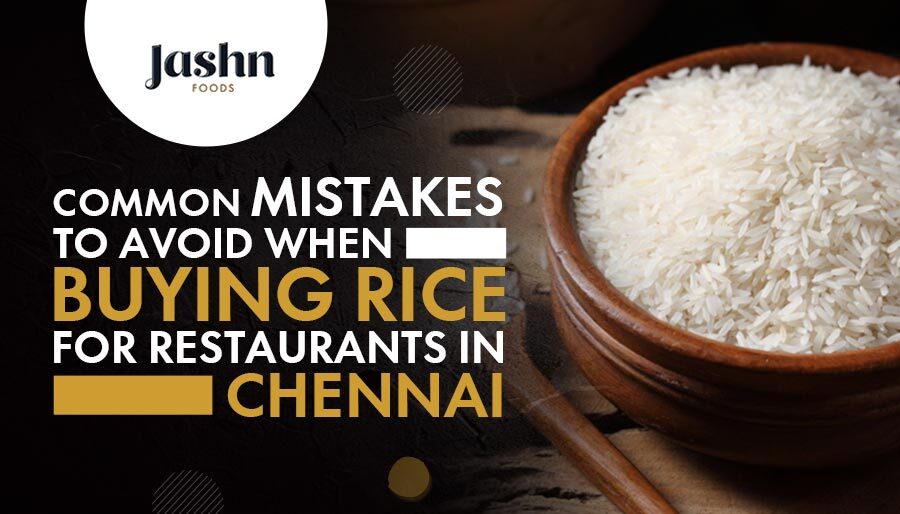
Common Mistakes to Avoid When Buying Rice for Restaurants in Chennai
Most buying mistakes happen when decisions are rushed or based only on pricing. Paying closer attention during procurement can save restaurants from bigger operational problems later.
Using the Same Rice for Every Dish
One rice variety cannot suit every menu item.
Still, many restaurants try to use a single type of rice across biryani, meals, fried rice, and pulao. The problem is that every dish requires different characteristics. Biryani usually needs long grains with aroma and separation, while traditional meals may require softer textures that pair well with curries.
Customers immediately notice when the rice does not match the dish. Even if the flavors are perfect, the meal can still feel incomplete.
Restaurants that carefully match rice varieties to their menu generally maintain better consistency and customer satisfaction.
Choosing Rice Only Because It Is Cheap
Low-cost rice often creates bigger expenses later.
Some buyers focus only on saving money during purchase without considering cooking performance or customer experience. Cheaper rice may contain too many broken grains, uneven moisture levels, or inconsistent polishing.
Inside a busy kitchen, this becomes a problem quickly. Rice may cook unevenly, become sticky, or lose texture during service. In many cases, additional wastage during washing and cooking increases food costs indirectly.
Rice prices in India change regularly because of harvest seasons, transportation costs, export demand, and supply fluctuations. Smart restaurant owners usually prioritize consistency and reliability over simply choosing the cheapest stock available.
In the long run, dependable quality benefits restaurants far more than small short-term savings.
Ignoring Grain Quality During Inspection
Some buyers trust packaging without properly checking the grains themselves.
That approach often leads to disappointment once cooking begins. Grain quality directly affects texture, appearance, and consistency after cooking. Uneven grains usually cook unevenly too.
Before placing large orders, restaurants should always inspect:
- Grain length
- Percentage of broken grains
- Surface cleanliness
- Moisture signs
- Color consistency
Visual inspection still matters, especially for restaurants serving premium dishes where presentation plays an important role.
Spending a few extra minutes checking grain quality can prevent much larger problems later.
Forgetting About Aroma and Freshness
Freshness makes a major difference in rice quality.
Restaurants serving biryani, pulao, or other aromatic dishes should always pay attention to fragrance before buying in bulk. Rice stored poorly often loses its natural aroma long before it reaches the kitchen.
Customers may not describe this directly, but they definitely notice when dishes lack the richness and fragrance they expect.
High-quality basmati rice usually stands out because of its aroma before and after cooking. That fragrance becomes part of the overall dining experience.
Experienced kitchens often cook small test batches instead of relying entirely on supplier claims.
Buying Without Testing Cooking Performance
Raw rice can look excellent and still perform badly during cooking.
This is one of the most common mistakes restaurant buyers make. Some rice expands beautifully and stays separate, while others become sticky or dry during large-batch preparation.
A simple cooking test helps restaurants evaluate:
- Water absorption
- Grain separation
- Texture retention
- Buffet holding quality
- Aroma consistency
Testing becomes especially important for restaurants handling heavy lunch service where rice remains hot for extended periods.
Skipping this step may save time initially, but it often creates frustration in the kitchen later.
Working With Unreliable Suppliers
Restaurants depend heavily on supply consistency. A delayed delivery or sudden drop in quality can disrupt operations immediately.
Many businesses keep switching suppliers only to chase lower prices. Over time, this creates inconsistency because every supplier may source rice differently.
Experienced suppliers and established basmati rice exporters usually maintain stricter quality checks because their business depends on long-term trust and repeat customers.
Before finalizing a supplier, restaurants should evaluate:
- Delivery reliability
- Packaging standards
- Product consistency
- Storage conditions
- Communication and responsiveness
A dependable supplier can become just as important as a skilled chef in restaurant operations.
Poor Storage Practices Inside the Restaurant
Buying good rice means very little if storage conditions are poor afterward.
Chennai’s humid climate can create moisture-related issues very quickly. Rice stored carelessly may lose freshness, develop unpleasant odor, or attract pests.
Some restaurants still place rice bags directly on the floor or near damp walls. Over time, this affects quality even before the rice reaches the stove.
Good storage practices include:
- Keeping stock elevated
- Using dry storage spaces
- Rotating older stock first
- Maintaining ventilation
- Keeping storage areas clean
Proper storage protects both product quality and business investment.
Ordering Too Much Stock Without Planning
Bulk buying can help restaurants manage supply efficiently, but overstocking creates its own problems.
Some businesses purchase excessive quantities during seasonal price drops without considering how quickly the rice will actually be used. Long storage periods can reduce freshness, especially in humid weather conditions.
At the same time, insufficient stock can interrupt operations during busy weekends, festivals, or sudden demand spikes.
Balanced inventory planning helps restaurants avoid both wastage and shortages.
Ignoring Packaging Quality
Packaging plays a bigger role than many buyers realize.
Weak or damaged packaging can expose rice to moisture, contamination, and grain breakage during transportation and storage.
Professional suppliers usually pay close attention to packaging because it reflects their handling standards and reputation.
Restaurants should inspect packaging carefully during every delivery, especially when purchasing in bulk.
Good packaging often indicates better quality control throughout the supply chain.
Not Understanding Customer Preferences
Different customers expect different rice textures depending on the dish.
Some diners prefer fluffy long grains for biryani, while others expect softer rice alongside traditional South Indian meals. Restaurants that ignore local food preferences often struggle to build repeat customer loyalty.
Understanding customer expectations becomes easier when restaurant owners learn more about different rice varieties available in Chennai and how each variety suits specific dishes.
Sometimes even small changes in rice selection lead to noticeable improvements in customer feedback.
Limited Knowledge About Rice Processing
Many restaurant owners buy rice regularly but know very little about processing differences.
Understanding the difference between steam basmati rice and raw basmati rice helps restaurants choose varieties that suit their menu and cooking style better. Texture, firmness, aroma retention, and cooking behavior can vary significantly.
Restaurants serving premium dishes should also know how to identify authentic basmati rice before placing large orders. Authentic grains usually offer better elongation, aroma, and consistency after cooking.
The more informed the buyer becomes, the easier it becomes to avoid costly mistakes.
Overlooking Better Wholesale Buying Options
Some restaurants continue buying from multiple small vendors without building stronger sourcing systems.
This often results in inconsistent quality and unstable pricing throughout the year. Exploring trusted wholesale rice markets in Chennai can help restaurants maintain more stable supply arrangements and better consistency.
Reliable sourcing relationships usually make restaurant operations smoother, especially for businesses handling high daily volumes.
Why Rice Buying Matters More in Restaurants
At home, small differences in rice quality may not always be noticeable. In restaurants, the situation is very different. Rice is cooked in large quantities, stored for longer periods, and served to hundreds of people every day.
Good rice behaves consistently in the kitchen. Chefs know how much water is needed, how long the rice takes to cook, and how the grains will look once served. Poor-quality rice creates unnecessary problems. It may turn sticky, break apart, dry out quickly, or lose texture after sitting for some time.
Many restaurant owners spend heavily on spices, gravies, interiors, and presentation while paying very little attention to rice procurement. Eventually, that mistake becomes visible on the plate.
Conclusion
Rice may look simple, but restaurants know how much depends on getting it right. Texture, aroma, freshness, consistency, and cooking performance all shape the customer’s dining experience more than people often realize.
Most procurement problems begin with avoidable mistakes — rushing purchases, focusing only on price, skipping quality checks, or working with unreliable suppliers. Restaurants that take rice selection seriously usually face fewer kitchen issues and enjoy stronger customer satisfaction over time.
Understanding the common mistakes to avoid when buying rice for restaurants in Chennai helps businesses make smarter decisions that support both food quality and long-term growth. In a highly competitive restaurant industry, consistency matters every single day — and rice plays a much bigger role in that consistency than many people think.