
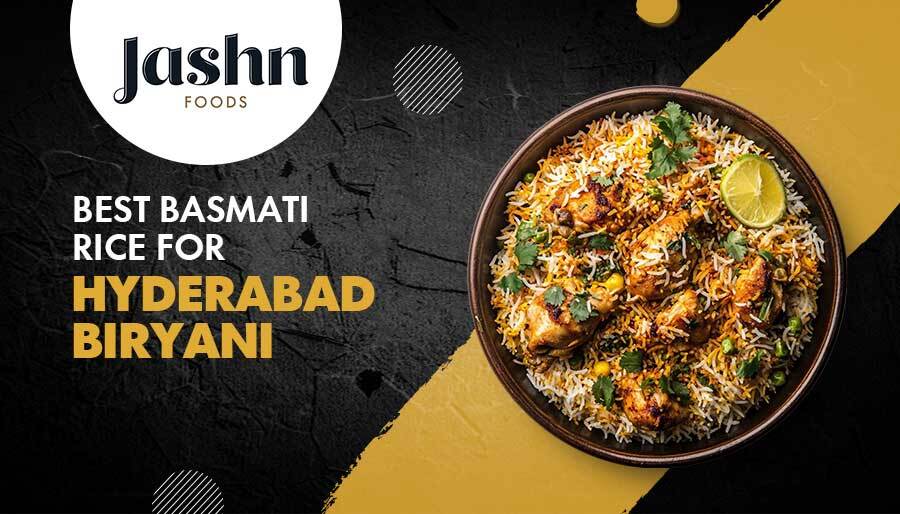
If you’ve ever had a truly good Hyderabadi biryani, you’ll notice one thing instantly—the rice isn’t just there to fill the plate. It carries the dish.
In Hyderabad, people don’t compromise on biryani. And while spices and meat get most of the attention, the real difference often comes down to the rice you choose. The wrong rice turns everything mushy. The right one? It holds its shape, smells incredible, and absorbs just enough flavor without losing character.
So if you’re trying to figure out the Best Basmati Rice for Hyderabad Biryani, this guide will help you cut through the confusion and focus on what actually matters.
Why Rice Matters More Than You Think in Biryani
Biryani isn’t like pulao or fried rice. It’s slower, more layered, and a lot less forgiving.
The dum process—where rice and meat cook together in sealed heat—demands a specific kind of grain. Not every variety of basmati rice can handle that. Some break. Some stick. Some just disappear into the masala.
In Hyderabad, where biryani is taken seriously, cooks look for rice that stays separate, stretches after cooking, and carries aroma without overpowering the dish.
That’s why the demand for good basmati rice in Hyderabad is always high, especially among restaurants and caterers.
What Good Basmati Rice Looks Like (Before You Even Cook It)
You don’t need to be an expert to spot decent rice. A few simple things tell you a lot:
The grains should be long, slim, and uniform
There shouldn’t be too much broken rice in the pack
When you smell it, there should be a mild, natural fragrance—not something artificial
But the real test happens after cooking. Good rice expands. It doesn’t clump. And more importantly, it doesn’t turn sticky halfway through dum.
That’s usually where cheaper rice fails.
The Varieties That Actually Work for Hyderabad Biryani
Walk into any wholesale mandi and you’ll hear names thrown around—1121, sela, steam, raw. It can get confusing quickly.
Here’s a simpler way to look at it:
1121 Basmati (Most Preferred)
This is what a lot of restaurants use. The grains are noticeably longer, and after cooking, they stretch even more. If you’ve seen biryani where the rice looks almost needle-like and separate, it’s probably this variety.
Steam Rice
This one is easier to handle. It cooks evenly and gives you a fluffy texture without much risk. Many rice suppliers in Hyderabad recommend this for consistent results, especially in bulk cooking.
Sella (Parboiled) Rice
Not as aromatic, but strong. It doesn’t break easily, which is why some caterers prefer it when cooking in large quantities.
Traditional Raw Basmati
More fragrance, slightly delicate. Works well if you know how to handle the cooking process carefully.
Choosing the Right Brand Without Overthinking It
Let’s be honest—there are plenty of basmati rice brands in the market, and not all of them deliver what they promise.
What actually matters is consistency. One good batch doesn’t mean much if the next one cooks differently.
That’s where reliable suppliers come in. Brands like Jashn Foods focus more on maintaining uniform quality rather than just marketing. For buyers, especially businesses, that reliability matters more than fancy packaging.
And this isn’t just limited to one city. Whether you’re sourcing rice in Kolkata or dealing with rice suppliers in Chennai, the same rule applies—consistency beats everything.
How Restaurants in Hyderabad Actually Buy Rice
Restaurants don’t experiment much. Once they find something that works, they stick to it.
Their priorities are simple:
- The rice should cook the same way every time
- It should look good on the plate
- It should justify the basmati rice price they’re paying
Many of them work directly with trusted rice suppliers in Hyderabad or even larger rice exporters in India to avoid fluctuations in quality.
Because in a busy kitchen, inconsistency is expensive.
Is Expensive Basmati Rice Always Better?
Not always—but cheap rice is almost always a risk.
The basmati rice price usually reflects factors like aging, grain length, and processing. Aged rice, for example, cooks better and gives you that dry, separate texture needed for biryani.
If you go too cheap, you might save money upfront but lose out on texture, aroma, and overall presentation.
For home cooks, that might mean a slightly disappointing meal. For a restaurant, it can affect repeat customers.
Mistakes People Make While Buying Biryani Rice
A few common ones come up again and again:
- Picking rice based only on price
- Ignoring whether the rice is aged or not
- Buying from unknown or inconsistent suppliers
- Assuming all basmati rice works the same way
The truth is, small differences in rice quality show up very clearly once you cook biryani.
Why Your Supplier Matters More Than the Brand
You can buy the same variety of rice from two different suppliers and get completely different results.
Storage conditions, sourcing, and handling all make a difference. That’s why many buyers prefer working with known rice exporters in India or established distributors who understand quality control.
It saves time, reduces guesswork, and most importantly, avoids unpleasant surprises during cooking.
Final Thoughts
At the end of the day, biryani is as much about technique as it is about ingredients. And rice sits right at the center of it.
Choosing the Best Basmati Rice for Hyderabad Biryani isn’t about picking the most expensive option or the most popular brand. It’s about finding rice that behaves the way biryani demands—long, separate, aromatic, and reliable.
If you get that part right, everything else becomes easier.
And if you’re looking for something consistent without having to test multiple options, exploring trusted names like Jashn Foods is a practical place to start.
Because in biryani, the rice doesn’t just support the dish—it defines it.