
If you eat out in Chennai often enough, you start noticing small differences. Not the obvious ones like spice level or portion size—but the way the rice feels. At one place, biryani grains are long and separate. Somewhere else, they’re shorter and carry more masala. Even a simple meal plate can feel different depending on where you go.
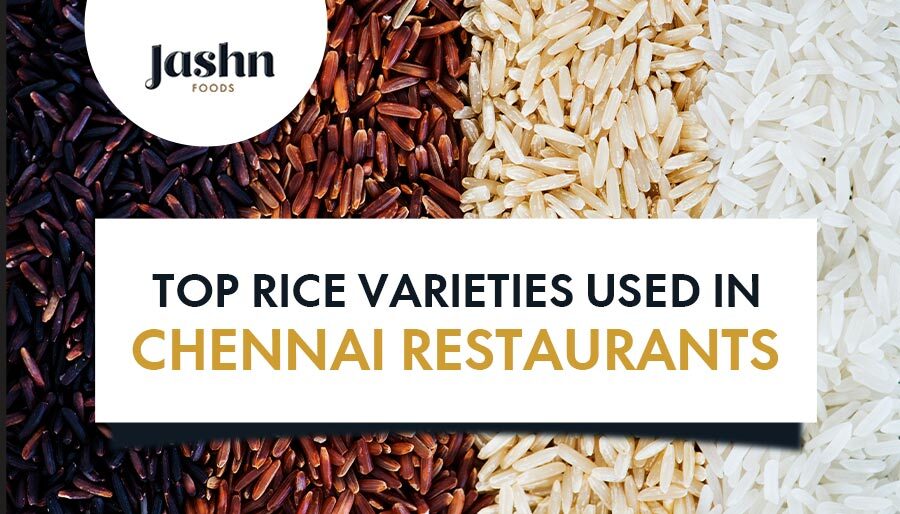
That’s not random. Most restaurants here are quite particular about the rice they use, even if it’s never mentioned on the menu. Once you start paying attention, the Top Rice Varieties Used in Chennai Restaurants become easier to spot, and they explain a lot about why dishes taste the way they do.
Top Rice Varieties Used in Chennai Restaurants and Why They’re Chosen
In a home kitchen, switching rice brands might not feel like a big deal. In a restaurant, it is. Regular customers notice when something changes, even if they can’t explain it.
So kitchens tend to settle into habits. They use rice they understand—something that cooks the same way every day. It’s less about finding the “best” rice and more about finding one that doesn’t surprise you halfway through service.
Basmati Rice – Mostly for Certain Styles of Biryani
For biryani that’s meant to look light and well-layered, basmati is usually the choice. The grains are long, and when cooked properly, they stay separate instead of clumping.
Most restaurants don’t experiment too much once they find a batch that works. There are plenty of basmati rice varieties, but consistency matters more than variety. Slightly older rice is often preferred—it tends to cook more evenly and hold its shape better.
Seeraga Samba – Used When Flavor Comes First
Seeraga Samba shows up in places that lean towards traditional Tamil-style biryani. It doesn’t look impressive at first glance—the grains are small—but that’s not the point.
What it does well is absorb flavor. Instead of the rice sitting apart from the masala, everything blends together. The result is heavier, more intense, and for many people, more satisfying.
Ponni Rice – The Default for Meals
For everyday meals, Ponni rice is what you’ll usually get. It’s soft, neutral, and works with almost anything—sambar, rasam, curd, you name it.
Restaurants stick with it because it’s predictable. It cooks the same way, it serves the same way, and it doesn’t interfere with the rest of the plate. It’s not exciting, but it doesn’t need to be.
Idli Rice – Quiet but Essential
Tiffin items depend more on preparation than on final cooking. The batter needs to ferment properly, and that’s where idli rice comes in.
Most places don’t change this unless they have a reason. If the batter works, they keep things exactly as they are. It’s one of those behind-the-scenes choices that people rarely notice unless it goes wrong.
Raw and Parboiled Rice – Used Without Much Debate
In many kitchens, both raw and parboiled rice are used, depending on what’s being cooked.
Raw rice is lighter and quicker. Parboiled rice is firmer and holds up better over time. There’s no strong preference—it’s more about what fits the dish and how long it needs to sit before being served.
How Restaurants Source Their Rice
Sourcing hasn’t changed completely, but it’s not exactly the same either. Some restaurant owners still go to the Wholesale Basmati Rice Market in Chennai because they trust what they can see and touch.
Others have started to buy basmati rice online chennai, especially when they want consistency or specific grades. It’s not about trend—it’s about convenience and control.
Why Supply Consistency Matters
Even good rice can become a problem if it’s inconsistent. That’s why restaurants usually stick with the same suppliers once they find one that works.
You’ll hear names like Jashn Foods in these discussions because they focus on steady quality. Across the country, many rice manufacturers in India are trying to offer the same reliability, especially for bulk buyers who can’t afford variation.
The Role of Rice in Everyday Dishes
Rice isn’t just a base—it shapes how a dish feels. Whether it’s fluffy, soft, or slightly firm changes the experience more than most people realize.
That’s why many Chennai Rice Recipes start with the type of rice in mind. The cooking process adjusts around that choice, not the other way around.
What You Can Try at Home
If you want to see the difference yourself, don’t change everything at once. Just switch the rice.
Pay attention to how it looks, how it smells, and how it cooks. For biryani, rice that isn’t too fresh often works better. For daily meals, something softer might be easier to eat.
Also, store it properly. A dry, sealed container makes a bigger difference than most people expect.
Conclusion
When you look at the Top Rice Varieties Used in Chennai Restaurants, there isn’t one clear winner. Each type is used because it fits a specific purpose.
What stands out is how quietly these decisions are made. Diners don’t usually think about the rice, but they notice when something feels off. And in a place like Chennai, where rice is part of almost every meal, getting that one detail right matters more than it seems.