
Ever sat down for dinner and wondered whether to reach for roti or rice? You are not alone. This is one of the most common dilemmas for anyone trying to lose weight on an Indian diet. The question sounds simple. But the answer involves your metabolism, your lifestyle, and the quality of what you eat. There is no universal villain here.
What matters is understanding how each food works inside your body. And yes, even something like basmati rice, which many people avoid out of habit, can fit into a weight-loss plan when chosen wisely.
Weight loss starts with better choices. Explore premium rice that fits your healthy lifestyle.
Rice or Roti: Which Is Actually Better for Weight Loss, and What Does the Science Say?
Let us start with what both foods actually are, nutritionally speaking.
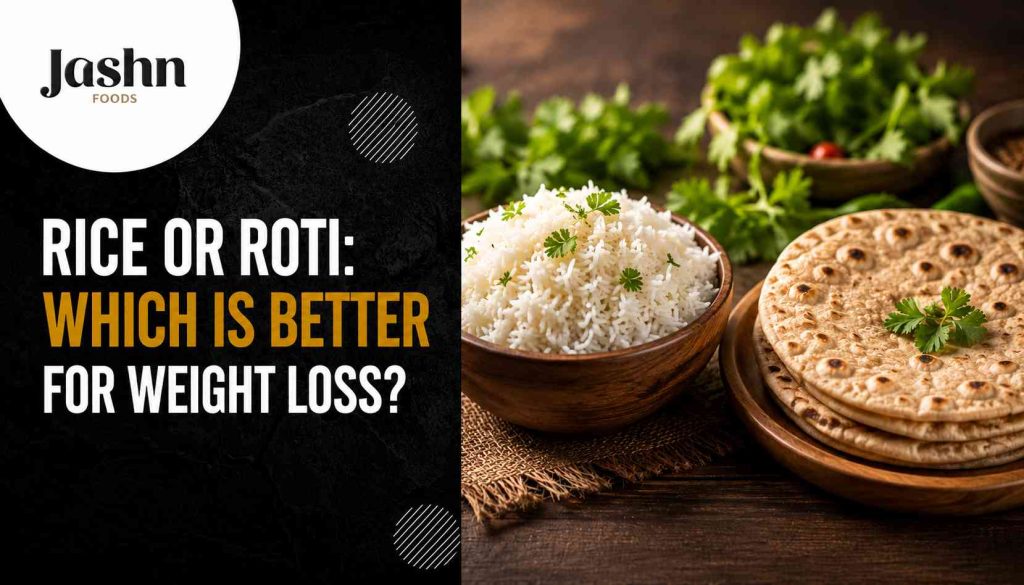
Roti is made from whole wheat flour. That means it retains the bran and the germ, both of which carry fiber, B vitamins, and slow-digesting carbohydrates. One medium roti weighs roughly 30 to 35 grams and gives you somewhere around 70 to 80 calories. More importantly, it gives you fiber, and fiber is what keeps hunger at bay between meals. Chewing roti takes more effort and slows you down. This gives your brain time to catch up with your stomach.
Regular white rice tells a different story. The milling process strips away the outer layers, leaving mostly starch. A 150-gram serving of cooked white rice can carry close to 200 calories with very little fiber. Your body breaks that starch down fast, blood sugar rises quickly, within a couple of hours, you are hungry again. That cycle, eat, spike, crash, crave, is what makes white rice a difficult food to manage when you are trying to lose weight.
But here is where people go wrong. They assume all rice behaves the same way. It does not.
Is All Rice the Same When It Comes to Weight Management?
This is where the conversation gets more interesting. A lot of people ask if basmati rice helps in weight loss, and the short answer is yes, but only if you are being smart about portions and preparation.
Basmati has a glycemic index somewhere between 50 and 58. Compare that to regular white rice, which sits at 72 or above, and the difference becomes meaningful. A lower glycemic index means blood sugar rises more gradually after eating. This leads to less insulin released and less fat stored. Basmati also has a natural fragrance and a firmer texture that makes smaller portions feel more satisfying. And if you cook it a day ahead and eat it cold or reheated, the resistant starch content goes up, which is actually good for your gut and slows digestion further.
So no, rice is not automatically the enemy. The type of rice you eat, and how you eat it, changes everything.
The Fiber Argument: Where Roti Still Wins
For most people, especially those who are largely sedentary or dealing with blood sugar issues, roti still comes out ahead in a direct comparison. The fiber in whole wheat does more than just slow digestion. It feeds the good bacteria in your gut, which plays a surprisingly large role in weight regulation. It also reduces the kind of mid-afternoon energy crashes that lead to snacking on the wrong things.
Two rotis with a bowl of dal and some vegetables is a meal that most people will not feel hungry after for at least three hours. That same calorie count in white rice? You might be opening the fridge again in ninety minutes.
That said, if you swap white rice for a high-quality basmati or even brown rice, the fiber gap narrows significantly. The argument is less about rice versus roti and more about refined versus whole foods.
Why Where Your Rice Comes From Actually Matters
Most people spend a lot of time thinking about what they eat and very little time thinking about where it comes from. For rice, this oversight can genuinely affect your health outcomes. Well-known basmati rice suppliers in India such as Jashn Foods work with naturally aged grain, rice that has been stored for a specific period after harvest to reduce moisture and starch content. Aged basmati cooks differently. The grains stay separate, absorb less water during cooking, and sit lighter in your stomach compared to freshly milled rice packed with excess starch.
Cheap, low-grade rice is often full of broken grains, filler, and sometimes artificial fragrance to mimic premium quality. That kind of rice behaves more like refined carbs, fast digesting, less filling, and harder to portion sensibly.
Choosing premium rice today can transform every meal tomorrow.
Getting Value Without Cutting Corners
A common concern is cost. People want to check basmati rice prices and naturally gravitate toward whatever is cheapest. That instinct is understandable, but with basmati it can backfire. The price difference between budget rice and a quality aged basmati usually reflects real differences, grain length, aroma, age of the crop, and how it was processed and stored.
Rather than going by price alone, look at grain length on the packaging, check whether the brand mentions aging, and see if there are any quality certifications listed. A little research before buying saves you from rice that turns mushy or smells artificial. Neither helps when weight management is your goal.
What Separates a Good Brand from a Forgettable One
The rice market in India is crowded. Sorting through it takes more than just reading labels. Genuinely trusted basmati rice brands tend to carry PGI certification, this tells you the rice actually comes from the traditional basmati-growing belt across Punjab, Haryana, and parts of Uttar Pradesh. That geographical origin matters because the soil, water, and climate of that region produce grain with specific aromatic compounds that cannot be replicated elsewhere.
Also look for FSSAI certification and check if the brand exports. International sellers follow stricter quality standards and usually maintain that consistency domestically too.
One Variety That Deserves More Attention
If you have not cooked with 1121 basmati rice before, it is worth trying. This particular variety produces some of the longest grains in the basmati family. When cooked right, each grain nearly doubles in length, stays fluffy and separate, and carries that distinct aroma that makes a simple dal-rice meal feel like something special.
From a weight perspective, its light texture means it does not feel heavy after eating. Meals that feel light and smell good tend to satisfy faster, which often means you naturally eat a smaller portion without feeling deprived.
Do You Actually Have to Choose Between the Two?
Honestly, no. The rice versus roti debate often leads people toward an all-or-nothing mindset, and that is where most diets fall apart. Cutting out an entire food group that you have grown up eating is not sustainable for most people, and deprivation nearly always leads to compensatory overeating.
A more practical approach: have roti at dinner when your body needs slower, more sustained energy through the night. Have a moderate portion of good basmati at lunch when you are more active and your body can burn through those carbohydrates. Load both meals with vegetables, protein, and some healthy fat. Manage your portions. Stay consistent.
That is not a complicated formula, but it works far better than swearing off rice forever and then bingeing on it two weeks later.
Explore Jashn’s premium rice collection and make every meal healthier, tastier, and more satisfying.
Final Thoughts
The rice or roti question does not have a clean winner. Roti, with its fiber content and slower digestion, has a practical edge for most people aiming to lose weight. But rice, particularly a quality basmati eaten in reasonable portions, is not something you need to eliminate from your life.
What truly matters is the quality of what you eat, how much of it you eat, and how consistently you can maintain that balance. At Jashn Foods, the focus has always been on bringing genuine, high-quality basmati to tables across India and beyond. If you are building healthier eating habits and want rice that actually supports that goal, visit jashnfoods.com and see what a difference the right grain makes.
Disclaimer: This content is intended for general informational purposes only. Please consult a qualified nutritionist or healthcare provider for personalized dietary guidance.