
Kolkata has a strange habit when it comes to rice. People rarely talk about it directly, yet almost every meal somehow circles back to it.
Walk through a residential lane around noon and you can smell it before you see anything — rice boiling in one kitchen, fish curry cooking in another, someone frying potatoes nearby. In many Bengali homes, lunch still feels incomplete without rice on the plate. That has not changed much, even after food apps, café culture, and fast-food chains became part of city life.
What has changed is the way people buy rice now. Earlier, families usually purchased whatever their trusted neighborhood store stocked. Most buyers never bothered about grain length or texture unless there was a wedding at home. Now people notice details. Some compare aroma. Others care about how the rice looks after cooking. A few even switch brands if the grains feel too sticky or too dry.
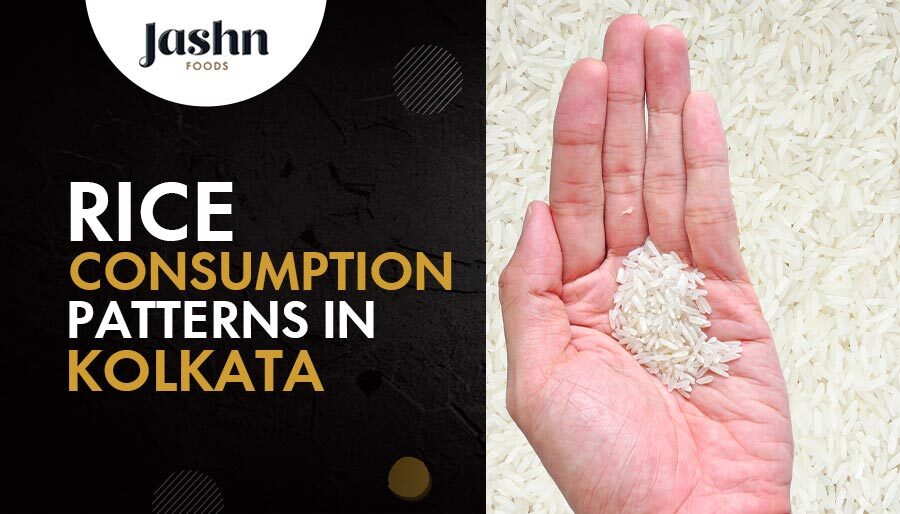
These everyday decisions are gradually shaping Rice Consumption Patterns in Kolkata in ways that were not very visible before. Even basmati rice in Kolkata, which earlier appeared mostly during festivals or special dinners, has quietly become part of regular household shopping in many areas.
Understanding Rice Consumption Patterns in Kolkata
The city still eats rice the same way emotionally, but practically, things are shifting.
Years ago, rice shopping felt routine. Someone from the family visited the market, bought the usual variety, and came home. There was trust between local shopkeepers and customers, so nobody spent much time comparing products. That easy routine has changed little by little.
People now ask questions before buying. Some want rice that stays soft for longer hours. Others prefer grains that remain separate after cooking because they work better with certain dishes. In some homes, different rice containers sit side by side — one for everyday meals, another for guests.
Interestingly, younger buyers seem less loyal to one particular variety. They are willing to try something new if they hear good feedback from friends or restaurants.
Why Rice Still Feels Important in Everyday Life
For many Kolkata families, rice is not just about filling the stomach. It carries familiarity. A simple plate of rice with dal and fried vegetables still feels comforting after a tiring day. People who spend the week eating outside often return home wanting exactly that kind of meal.
There is also memory attached to it. Many grew up watching grandparents sit down for long afternoon lunches where rice sat at the center of the table. Those habits stay quietly inside people even when lifestyles become modern.
Festivals make the connection even stronger. Durga Puja, weddings, family gatherings — all of them automatically increase rice consumption because cooking itself becomes larger and more elaborate during those periods.
Different Households Prefer Different Rice
Not long ago, most families bought one type of rice for almost everything. Now preferences vary much more from house to house.
Some still prefer medium-grain rice because it matches traditional Bengali cooking styles better. Others buy longer grains when guests visit because presentation matters more today than earlier.
Health awareness has also started influencing purchases. A section of younger consumers now looks for lighter or less polished rice options, though traditional varieties still dominate everyday cooking in most homes.
What is interesting is that rice conversations have become more detailed than before. People discuss texture now. They compare softness. They even talk about which rice works better for lunch and which feels better at dinner.
Restaurants Have Changed Consumer Expectations
Kolkata’s food culture outside the home has grown rapidly, and that has influenced rice demand too. People order biryani more frequently than before. They eat pulao, rice bowls, and Bengali meals from restaurants regularly. Naturally, they begin noticing quality differences.
Restaurant owners understand this very clearly. Rice quality affects customer experience immediately, especially in dishes where the grains are meant to remain light and aromatic. Kolkata biryani, in particular, depends heavily on the rice itself. If the texture feels wrong, people notice after the first bite.
Because of that, demand for quality rice for biryani in Kolkata has increased steadily among caterers, restaurants, and cloud kitchens.
Buying Habits Are Becoming More Selective
Traditional markets still sell huge quantities of loose rice, but shopping habits are no longer as casual as they once were. People observe more before purchasing. They notice broken grains quickly. Some reject rice if polishing looks uneven. Others avoid stock that appears old.
Packaged rice has gained popularity partly because consumers feel more confident about consistency and storage quality. Online grocery apps have also changed behavior. Buyers can compare multiple products from their phones instead of depending entirely on local market recommendations.
As competition increased, every major basmati rice company had to improve packaging standards and focus more seriously on maintaining quality.
Price Still Decides a Lot
No matter how much preferences evolve, price continues influencing decisions inside most households.
When rice prices increase suddenly, people adjust quietly. Some reduce premium purchases for a while. Others shift to more affordable varieties for regular meals while keeping better rice for special occasions.
Restaurants face similar pressure because rice is purchased in bulk quantities there. Even a small increase in market rates affects costs over time.
Still, people rarely stop buying rice altogether. It remains one of those essentials that households continue purchasing regardless of market conditions.
The Market Behind Everyday Consumption
There is an entire network working constantly behind Kolkata’s rice supply.
Wholesalers, retailers, transporters, and suppliers all move stock continuously across markets and neighborhoods. During festivals and wedding seasons, this activity increases sharply because demand rises almost everywhere at once.
Traders also pay attention to trends outside West Bengal. Discussions involving rice wholesalers in Chennai sometimes influence sourcing patterns and pricing conversations in other cities too.
Competition has become stronger over time because customers today expect better consistency than they once did.
Why More Buyers Prefer Branded Rice
Years ago, branding hardly mattered in rice purchases for many families. That has changed gradually. Consumers now expect rice to cook properly every single time. They want fewer surprises. If quality changes too much from one purchase to another, buyers lose trust quickly.
Because of this, branded products have become more common across Kolkata households. Many people feel safer buying rice from companies they already recognize.
Brands like Jashn Foods have benefited from this shift because buyers increasingly prefer reliability over uncertain loose stock where quality may vary from batch to batch.
What the Future Could Look Like
Rice will probably remain central to Kolkata food culture for a very long time, but preferences are clearly evolving.
Younger consumers are exploring healthier options and premium varieties more openly than previous generations did. Restaurants will likely continue driving demand for higher-quality grains as food competition grows further.
The future of rice industry in Kolkata may depend on how suppliers manage consistency, affordability, and changing customer expectations at the same time.
Conclusion
Rice still sits quietly at the center of Kolkata’s food habits. People may eat different cuisines today, order more food online, or experiment with newer products, but rice continues to return to the plate almost every day. The varieties may change, and buying habits may become more selective, yet the connection itself remains surprisingly strong.
In Kolkata, rice is not really treated like a trend. It simply continues being part of everyday life.