
Most people don’t really overthink rice while buying it. It’s usually a quick decision—pick a packet, check the price, and move on. The problem shows up later, in the kitchen, when the rice doesn’t behave the way it should. Sometimes it clumps. Sometimes it breaks too much. Sometimes it just feels flat, no matter what’s cooked with it.
And honestly, most of that comes down to a few simple mistakes to avoid when buying rice that keep repeating in everyday shopping habits.
Whether it’s everyday grain or premium basmati rice, the type you pick quietly decides how the whole meal turns out. Texture, smell, and even how “light” or “heavy” the dish feels—all of it starts there.
Explore premium-quality rice processed for consistency and freshness
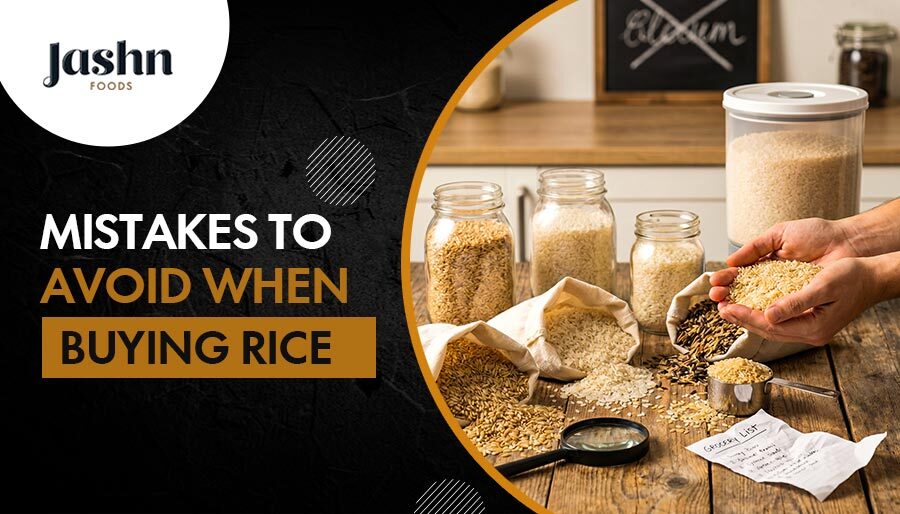
Common Mistakes to Avoid When Buying Rice
Buying without actually looking at the rice
A lot of people don’t open their thoughts beyond the packet design. If it’s a known brand or looks familiar, it goes straight into the basket. But rice tells you a lot if you actually look at it.
Grains that are uneven, dusty, or heavily broken usually don’t cook evenly. Some turn soft too fast, others stay slightly hard. That mismatch shows up on the plate immediately. It’s a small step to check, but most people skip it.
Using one rice for every kind of cooking
This happens in a lot of homes. One bag, all dishes. But rice doesn’t really work like that.
A light daily meal, a fried rice, and a festive biryani all need different grain behaviour. If you use the same rice everywhere, something will always feel slightly off.
When people talk about the best rice for Eid biryani, they’re usually referring to grains that stay separate, don’t collapse, and hold aroma properly. Using the wrong type just flattens the dish.
Going only by the cheapest option
Price feels like the easiest filter. Lower cost looks like a saving. But with rice, that logic doesn’t always hold.
Cheaper rice often has more broken grains or inconsistent milling. It may cook fine once, but not reliably every time. And you end up using more of it anyway to get the same plate.
With the way Indian rice prices move up and down, it’s tempting to chase the lowest rate. But that rarely matches real cooking results.
Not paying attention to how the packet is stored
Rice reacts quietly to its environment. If it sits in a damp shop corner or a poorly sealed bag, it slowly changes.
You don’t always notice it at the time of purchase.
But later, during cooking, the difference shows—slightly off smell, uneven texture, or grains that don’t expand well. The packaging is doing more work than most people realize.
Not knowing rice behaves differently with age
This is one of those details people usually learn the hard way.
Fresh rice and aged rice don’t cook the same. Fresh grains tend to carry more moisture and can feel a bit heavier after cooking. Aged rice usually comes out drier and separates better.
That’s why some basmati rice brands highlight aging clearly. It’s not just a label detail—it actually changes the result on the plate.
Skipping the label completely
Most buyers don’t read the packet properly. They recognise the design and assume they already know what’s inside.
But labels carry real differences—grain length, broken percentage, origin, and so on. Missing those details is often where expectations start going wrong.
Assuming all suppliers handle rice the same way
Rice changes hands multiple times before it reaches a kitchen. How it’s stored and handled in between matters a lot. Some suppliers maintain proper storage. Some don’t.That gap shows up later in consistency, especially in bulk usage.
It’s also one reason buyers prefer established basmati rice exporters in India—not for branding, but for predictable quality over time.
Buying large quantities without testing
This is where bigger mistakes happen. Rice can look perfect in a packet and still behave differently when cooked.
A small test batch usually reveals more than any label or description. How it expands, how it smells after cooking, how the grains hold shape—all of that becomes clear only after one trial.
Skipping that step can turn into a costly mistake later.
Get consistent texture, aroma, and cooking performance in every batch.
Storing rice without much thought
Once rice reaches home or a kitchen, most people don’t think about it again. But it keeps reacting to its surroundings. If it’s left open, near moisture, or in a warm corner, quality slowly drops. It doesn’t fail suddenly—it just becomes less consistent over time.
Simple airtight storage is usually enough to avoid that.
Why all this actually matters
Rice is a daily food in most households, which means even small quality differences repeat every single day. Better rice doesn’t feel complicated. It just behaves properly in the pot. It cooks evenly, doesn’t surprise you, and doesn’t need adjustments every time.
That’s why manufacturers like Jashn Foods focus so much on consistency—because once rice reaches the kitchen, it should just work the way people expect it to.
Switch to premium rice trusted by restaurants and bulk buyers.
Final thought
Most rice issues don’t come from cooking. They come from decisions made much earlier, often in a hurry.
When you slow that part down just a bit—look at the grains, check the storage, think about the dish—the result on the plate changes more than expected.
Not perfectly dramatic. Just noticeably better.