
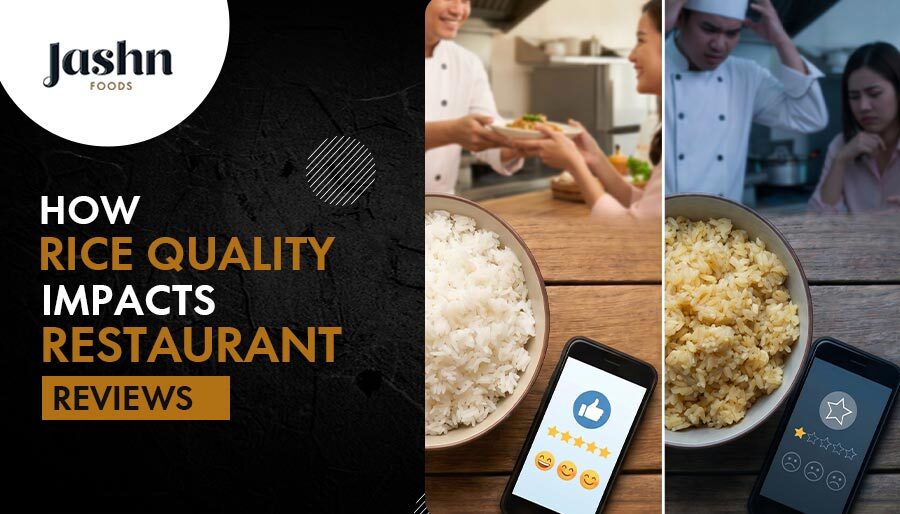
In most restaurants, rice doesn’t get much attention in conversations. Customers don’t usually praise it first, and chefs rarely highlight it as the star of the plate. But strangely enough, it often becomes one of the deciding factors in whether a customer leaves happy or disappointed.
People might forget the exact spices in a curry, but they rarely forget if the rice felt wrong. That’s where How Rice Quality Impacts Restaurant Reviews becomes something every food business eventually has to deal with.
Even when sourcing from the best rice manufactures in India, restaurants quickly realize that packaging quality doesn’t matter as much as what actually happens when the rice is cooked and served.
Understanding How Rice Quality Impacts Restaurant Reviews in Real Dining Situations
Most customers don’t sit and analyze food like professionals. They just react. And rice plays a quiet but important role in that reaction.
If the rice is soft, fresh, and properly cooked, nobody talks about it. The meal just feels complete. But if it is even slightly off—too dry, too sticky, or lacking freshness—it becomes noticeable immediately.
You’ll often see simple review comments like:
Rice wasn’t fresh
Something felt off with the biryani rice
Grains were breaking
Not cooked properly
These aren’t technical complaints. They are quick impressions. But those impressions decide how a restaurant is remembered online.
First Look at the Plate Matters More Than People Admit
Before tasting anything, customers look at the food. Rice has a bigger visual role than most people realize.
Well-cooked rice looks light, clean, and separate. It sits on the plate in a way that feels natural. Poor-quality rice clumps together or looks dull, and that alone changes perception before the first bite.
Then there’s aroma. Fresh rice doesn’t try too hard—it just feels clean and neutral in a good way. Low-quality or old stock rice often lacks that freshness, and customers sense it even if they don’t describe it clearly.
Texture Is What Stays in Memory
Taste fades, but texture stays in memory longer than anything else on a plate.
If rice is slightly overcooked, it becomes heavy. If it’s undercooked, it feels incomplete. And if it varies from batch to batch, customers lose trust without even understanding why.
In real kitchens, maintaining that consistency is harder than it sounds. Timing changes, staff rotates, and pressure during rush hours affects everything.
But customers don’t see that. They only see the result—and that result becomes the review.
When Saving Costs Starts Affecting Experience
Many restaurants try to manage expenses by choosing cheaper ingredients wherever possible. Rice often becomes part of that decision because it is used in bulk.
But rice is not something customers ignore easily. It forms the base of the meal, especially in Indian dining.
Even discussions around basmati rice price usually reflect a simple reality in the food business—slight savings rarely matter if the overall experience suffers.
Customers don’t compare ingredient costs. They compare how the food made them feel.
Delivery Orders Have Made Rice More Sensitive
Earlier, rice was judged only when served fresh in a restaurant. Now, delivery has changed that completely.
Once packed, rice goes through time, distance, and temperature changes. That journey affects it more than many other dishes.
It can dry out, lose softness, or become uneven depending on handling. And when customers open the box, rice is usually the first thing they check.
If it doesn’t feel right, the rest of the meal often gets judged more harshly too.
Not All Rice Works for Every Dish
One mistake many kitchens make is assuming all rice behaves the same way. It doesn’t.
Some dishes need long, separate grains that stay firm. Others need softer textures that blend into the dish.
In many premium kitchens, basmati rice is preferred for dishes like biryani because it carries aroma well and keeps its structure even after cooking with spices.
The wrong grain choice can quietly change the entire dish experience.
Storage Is Where Many Problems Begin
A surprising number of rice quality issues don’t come from cooking—they start much earlier in storage.
If rice is stored in humid conditions or not rotated properly, it slowly loses freshness. The change is not always obvious in the kitchen, but it shows up on the plate.
Customers notice it even when staff don’t.
Simple discipline in storage often solves problems that cooking alone cannot fix.
Branding Shapes Expectations Before the Meal
Food today is not just about taste—it’s also about perception.
The importance of branding and packaging design in rice sales has grown because both restaurants and suppliers are judged on trust and consistency.
A strong brand gives restaurants confidence that what they order today will behave the same way next month.
That stability is more valuable than most people realize.
The Bigger Market Behind Every Grain
Rice is part of a large and growing global food system. Demand from restaurants, hotels, and cloud kitchens keeps increasing every year.
The basmati rice market size continues to expand as more cuisines adopt aromatic rice in premium dishes.
As competition grows, customers also become more aware of quality differences, even in small details.
Understanding What Authenticity Really Means
Many buyers spend time learning how to identify authentic basmati rice because marketing alone is not enough anymore.
In real kitchens, authenticity is judged by cooking performance—how the rice smells, how it expands, and how it holds texture.
That practical test matters more than any packaging claim.
Trust Between Supplier and Kitchen
Restaurants don’t just buy rice—they depend on it daily.
That’s why many kitchens prefer consistent basmati rice brands that deliver stable quality across batches.
Suppliers like Jashn Foods become part of that daily routine. When consistency is maintained, kitchens run smoothly and customer experience becomes more predictable.
Conclusion
Rice may look like a simple part of a meal, but in restaurant reality, it carries a lot of weight.
It influences comfort, perception, and satisfaction more than most people expect. And over time, it plays a direct role in shaping reviews.
That is exactly why How Rice Quality Impacts Restaurant Reviews is something every food business eventually notices—not in theory, but in real customer feedback.
When rice is consistent, the whole meal feels balanced. When it isn’t, everything else starts to lose its impact, no matter how well it was prepared.