
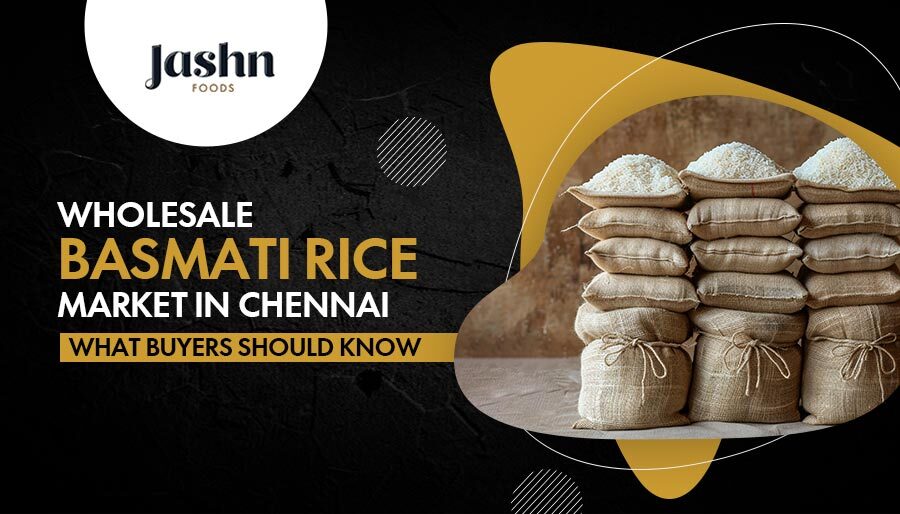
Chennai doesn’t produce basmati rice, yet it’s one of the busiest places to buy it in bulk. That might sound surprising at first, but it makes sense when you look at how the city eats. Restaurants are always packed, caterers are constantly preparing for weddings and events, and retail shelves are steadily shifting toward premium grains. All of this keeps the wholesale trade active.
For anyone planning to buy in bulk—whether you run a store, manage a kitchen, or supply to other businesses—understanding how the market works in Chennai can save both money and trouble. It’s not just about finding rice; it’s about finding the right rice, at the right price, from the right source.
Popular Basmati Rice Choices You’ll Find in Chennai
Spend a little time in the market and you’ll hear certain names come up again and again. These aren’t brands, but rice varieties that buyers rely on.
1121 Basmati is the one most people recognize as premium. The grains are long, the aroma is noticeable even before cooking, and it’s the preferred choice for restaurants serving biryani or pulao.
Then there’s 1509 Basmati, which is easier on the pocket. It doesn’t stretch quite as much as 1121, but it gets the job done for large gatherings and catering orders.
Pusa varieties sit somewhere in the middle—decent quality, reasonable price, and widely available.
You’ll also come across the usual choice between raw rice and sella (parboiled). Raw rice is softer and more aromatic, while sella holds its shape better, making it practical for bulk cooking.
Most buyers in Chennai don’t stick to just one type. They adjust based on their customers, pricing pressure, and the kind of dishes they serve.
Understanding Basmati Rice Prices in Chennai
Prices in the wholesale market don’t stay still for long. One week they feel stable, and the next week they shift. That’s normal in this trade.
On average, bulk basmati rice prices in Chennai can range anywhere between ₹30 and ₹90 per kilo. But that number doesn’t mean much until you look at what’s behind it.
Aged rice usually costs more, but it cooks better and gives higher volume. Grain length also matters—longer grains command higher rates. Then there’s polishing, sorting, and even packaging, all of which affect the final price.
If you’re buying in large quantities, negotiation is expected. Regular buyers often get better deals simply because they bring repeat business.
What Smart Buyers Check Before Finalizing a Deal
Experienced buyers don’t rush. They check, question, and sometimes walk away if something doesn’t feel right.
The first thing they look at is the grain itself. Is it uniform? Are there too many broken pieces? A quick glance can tell a lot.
Next comes aroma. Good basmati has a distinct fragrance, even before cooking. If it smells flat, it probably won’t deliver on the plate either.
Aging is another factor that often gets overlooked by new buyers. Older rice tends to cook fluffier and expand more, which is why many restaurants prefer it.
Then there’s the supplier. In a market like Chennai, where supply comes from outside the state, trust becomes important. Buyers who have faced inconsistent quality in the past often shift toward known suppliers or even connect directly with basmati rice manufacturers in India.
Packaging and storage also matter more than people think. Moisture can ruin an entire batch, especially in coastal weather conditions like Chennai.
Where the Rice Actually Comes From
Even though you’re buying in Chennai, the rice has already traveled a long way.
Most of it starts in the northern basmati belt—Punjab, Haryana, and parts of Uttar Pradesh. After harvesting, it goes through milling, grading, and sometimes aging before being shipped south.
By the time it reaches Chennai, it has passed through multiple hands unless you’re sourcing directly. That’s one reason why some buyers prefer building connections beyond the local market, including suppliers and even rice manufacturers Hyderabad or rice exporters in kolkata to compare options.
Why Demand for Rice in Chennai Keeps Growing
The demand for rice in Chennai isn’t new—but what’s changing is the type of rice people prefer.
Restaurants are upgrading their menus. Caterers are under pressure to deliver better quality at scale. Even households are slowly shifting toward premium grains for special occasions.
Add to that the city’s strong food culture and growing hospitality sector, and you get a steady rise in demand for better-quality basmati rice.
Challenges Buyers Often Face
The market isn’t without its problems. If you talk to regular buyers, you’ll hear a few common complaints.
Prices can change quickly, especially during peak seasons. Quality isn’t always consistent, particularly when dealing with unknown traders. And then there’s the issue of storage—humidity can affect rice if it’s not handled properly.
Some buyers also mention a lack of transparency. Not every seller clearly explains where the rice comes from or how old it is.
These challenges don’t stop the trade, but they do make careful buying more important.
Practical Tips for Buying in Bulk
Over time, buyers develop their own way of navigating the market. A few habits tend to make a big difference:
- Always check a sample before committing
- Don’t rely on a single supplier
- Compare rates, even if you already have a regular contact
- Negotiate—especially for larger quantities
- Think long-term instead of chasing the lowest price
Some buyers also explore multiple sourcing channels, including connections with rice exporters in kolkata or suppliers linked to rice manufacturers Hyderabad, just to keep their options open.
Why the Right Supplier Makes All the Difference
At the end of the day, the supplier you choose shapes your entire experience. A good one brings consistency, fair pricing, and peace of mind. A poor one can create ongoing issues.
For businesses, this choice directly affects reputation. Customers may not know where the rice comes from, but they notice the taste, texture, and quality.
That’s why many buyers eventually move toward working with established names. Finding the best basmati rice brand isn’t just about marketing—it’s about reliability.
Companies like Jashn Foods focus on maintaining consistent quality and supply, which is exactly what bulk buyers look for when they’re planning for the long run.
Final Thoughts
The Wholesale Basmati Rice Market in Chennai is active, competitive, and full of opportunities—but it rewards buyers who pay attention.
Understanding varieties, keeping track of basmati rice prices, checking quality carefully, and choosing the right supplier can make a noticeable difference in both cost and outcome.
For anyone serious about buying in bulk, the goal isn’t just to purchase rice—it’s to build a system that works smoothly every time.