

Rice sits at the center of almost every hotel menu. Biryani, pulao, fried rice, khichdi and plain steamed rice all depend on it. Pick the wrong grain and the dish suffers. Guests notice.
This hotel rice buying guide covers the types, the quality checks and the buying habits that protect your kitchen. It also shows how Jashn Foods helps hotels, restaurants and caterers get steady stock.
Many buyers begin by comparing Indian basmati rice manufacturers. That makes sense, since India grows some of the finest long grain rice in the world. Still, the right choice depends on your menu, your volume and your budget. Let’s go step by step.
Your Complete Hotel Rice Buying Guide for High-Volume Kitchens
Buying rice for a hotel is not like buying it for home. You cook in bulk. You serve on a tight clock. One weak batch can spoil a full banquet.
Start with three simple questions:
- Which dishes will you cook most often?
- How many kilos do you use each week?
- What texture do your guests expect?
Your answers shape every choice that follows. A biryani kitchen needs long, dry grains. A South Indian thali counter needs soft, fluffy rice. A buffet needs grains that hold shape under a warmer for hours.
Write these needs down before you speak to any supplier. It saves time and money.
At Jashn Foods, we ask buyers the same questions first. A clear menu brief leads to a better grain match.
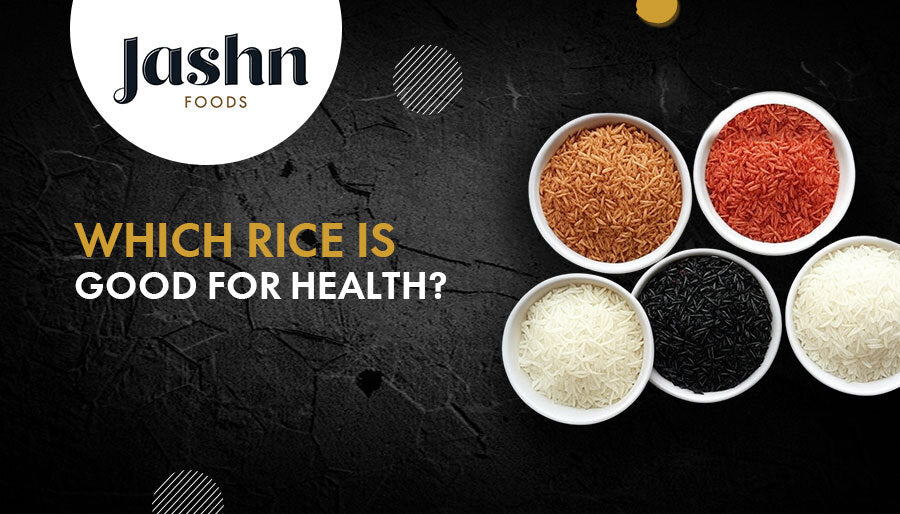
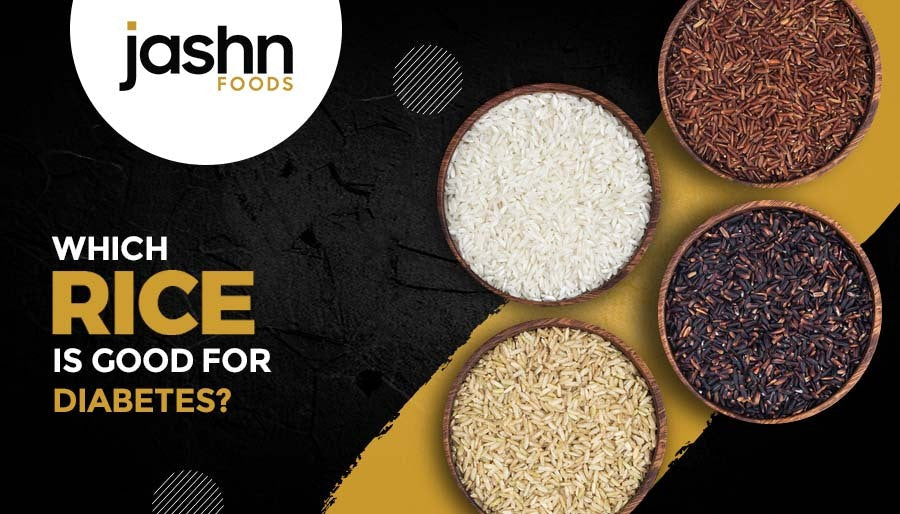
Main Rice Types Used in Commercial Kitchens
The best rice for restaurants depends on the dish. Still, a few types cover most menus.
Basmati
Basmati is the star of Indian cooking. The grains are long, slender and aromatic. They stretch to nearly twice their length when cooked. Aged basmati, rested for a year or more, cooks drier and separates better. It suits biryani, pulao and premium thalis.
India holds a geographical indication for basmati, which ties the grain to specific northern regions.
Sella Basmati
Sella basmati is parboiled in the husk before milling. The process hardens the grain. Breakage drops and the grains stay separate. Banquet kitchens love it because it rarely turns mushy. The raw grain has a golden tint, but it lightens as it cooks.
Steam Basmati
Steam basmati is white and lightly processed. It cooks fast and looks elegant on a plate. Fine dining rooms and hotel buffets use it often.
Non-Basmati Table Rice
Sona masoori, IR64 and similar medium grains suit daily meals. They cost less. Cooked grains turn soft and slightly sticky. South Indian restaurants, canteens and mess kitchens use them widely.
Specialty Grains
Short grain, sushi, brown and red rice serve niche menus. Buy small lots first. Test guest demand before you commit.
Jashn Foods supplies basmati and non-basmati varieties in bulk packs. You can match one grain to each dish and keep your menu consistent.
How to Judge Grain Quality Before You Buy
Always ask for a sample. Run these checks before you place an order. Keep this hotel rice buying guide handy as a checklist.
- Grain length: Look for even, uniform grains. Premium basmati should look long and slim, with very little size variation.
- Broken grains: Broken pieces cloud the pot and turn to mush. Ask for a low broken percentage in writing.
- Age: Older rice absorbs more water and cooks fluffier. Ask for the harvest year.
- Moisture: Aim for roughly 12 to 14 percent. Wetter rice spoils faster.
- Aroma and color: Fresh rice smells clean. A musty or sour smell points to poor storage.
- Cleanliness: Check for stones, husk, insects and dust.
- Cooking test: Boil a small sample. Check aroma, length, stickiness and bite. Then check it again after 30 minutes on a hot holding tray.
Check grain length, aroma, texture, and cooking results before committing to a large order.
What Shapes the Cost per Kilo
Rice price moves with grain type, crop year, age and export demand. Aged basmati costs more because it sits in storage for months. Sella and steam grades carry extra processing costs.
Global trade matters too. India holds over 40 percent of the global rice market. Rice exports hit a record $12.47 billion in FY25, according to a Swarajya report citing the Financial Express. Big export swings can lift or lower local rates. swarajyamag
Do not chase the lowest tag. Cheap rice often brings more broken grains, more waste and more complaints.
Smart buyers compare cost per plate instead. Here’s how to keep spending steady:
- Buy new-crop stock in harvest season, when supply is high.
- Lock a fixed rate with your supplier for three to six months.
- Order bulk packs of 25 kg or 50 kg to cut packing costs.
- Track yield per kilo, since good rice gives more cooked portions.
Jashn Foods gives clear bulk quotes, so you can plan menus without surprise jumps.
The right grain can make a difference to cooking yield and portion costs. Discuss bulk options.
Matching Grain to Menu
Every hotel rice buying guide should include a pairing list. Here’s ours:
- Biryani: aged or sella basmati
- Pulao and jeera rice: steam or aged basmati
- Fried rice: long grain, cooked ahead, then cooled and dried
- Daily thali and meals: sona masoori or a similar medium grain
- Khichdi and congee: medium grain or broken rice
- Kheer: short grain or a fragrant small grain
Menus change with seasons and events. Keep two backup grains in stock. A late delivery then never stops service.
Storage That Protects Your Stock
Good rice can go bad in a poor storeroom. Monsoon humidity in India, and tropical climates worldwide, make this a real risk.
- Store sacks on pallets, off the floor and away from walls.
- Keep the room cool, dry and well ventilated.
- Move rice into airtight bins after opening a sack.
- Use first in, first out. Label every batch with a date.
- Check for pests every week and clean spills fast.
Rice stored well keeps its aroma and cooks the same way from the first bag to the last.
Vetting Your Supplier
To choose the right rice manufacturer, look beyond the quote. A low offer means little if quality shifts between deliveries.
Ask for these proofs:
- A valid FSSAI licence and clean facility records
- Lab reports for moisture, broken grains and pesticide residues
- Batch samples before every large order
- HACCP, ISO or similar food safety certificates
- Export documents if you run hotels abroad
- Clear terms on delivery time, packaging and returns
Global buyers in the UAE, UK and US check compliance closely. Indian hotels should hold suppliers to the same standard.
At Jashn Foods, we believe hotel kitchens can’t afford surprises. We welcome sample requests and kitchen trials. Talk to our team at jashnfoods.com and share your volume and menu.
Request samples before your next bulk order and check the quality yourself.
Common Mistakes Hotel Buyers Make
Even experienced buyers slip up. Avoid these traps:
- Buying on price alone
- Skipping sample tests because the supplier looks reliable
- Ignoring harvest year and age
- Mixing old and new stock in the same bin
- Relying on one supplier with no backup
- Ordering far more than you can store
Each mistake looks small. Together they raise waste and hurt dish quality. A simple purchase checklist fixes most of them. Share it with your store manager and chef.
Cooking Tips for Consistent Results
Great rice can still fail in a rushed kitchen. Standard steps help your team repeat the result every shift.
- Rinse the grains until the water runs mostly clear.
- Soak basmati for 20 to 30 minutes.
- Measure water by weight or volume, never by eye.
- Rest cooked rice for five to ten minutes with the lid on.
- Fluff gently with a fork to protect the grains.
Write a recipe card for each grain. Include water ratio, soak time and cooking time. New cooks then follow the same method every time. Ratios vary by grain and age, so test each lot.
Final Thoughts
Rice may look simple, but it carries your menu. A good hotel rice buying guide turns guesswork into a repeatable process. Know your dishes. Pick the right grain. Test every sample. Store stock with care. Then review your costs each quarter.
Ready to upgrade your kitchen? Visit jashnfoods.com to explore our basmati and non-basmati range, request samples and get a bulk quote. Jashn Foods is ready to supply the grain that brings your guests back.