
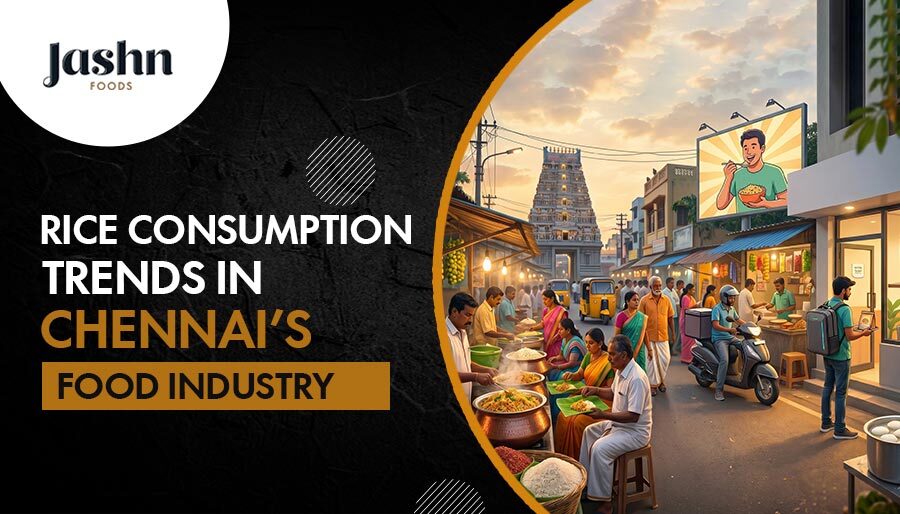
Chennai does not really separate rice from daily life. In many parts of the city, the first food prepared in the morning involves rice in some form. Batter for idli and dosa gets ready before sunrise, meals are cooked in bulk before noon, and by evening, biryani shops start seeing long queues again. The pattern repeats quietly every single day.
Because of this, Rice Consumption Trends in Chennai’s Food Industry continue to stay relevant for restaurant owners, suppliers, wholesalers, and catering businesses. Eating habits have changed over time, but rice still remains one of the few foods that works across every part of Chennai’s commercial food market.
People may order online more often now, but they still look for familiar meals. That is one reason several rice manufacturers in Chennai continue watching Chennai closely as a dependable market where rice demand remains steady through the year.
Understanding Rice Consumption Trends in Chennai’s Food Industry
Chennai’s relationship with rice feels very natural. Nobody really thinks too much about it because rice appears in almost every part of the day.
Breakfast may include pongal or dosa. Lunch usually revolves around steamed rice with curry and vegetables. Dinner could be biryani, tomato rice, lemon rice, or something ordered online after work.
The bigger change over the last few years has been lifestyle, not food preference.
Many people spend long hours commuting or working. Cooking every meal at home is no longer practical for everyone. Because of that, restaurants, mess services, and cloud kitchens have become part of regular life for a large number of people in the city.
Food businesses noticed this shift early. Smaller lunch boxes became common in office areas. Restaurants started focusing more on takeaway counters. Delivery kitchens expanded quickly because customers wanted food without spending time sitting in restaurants.
Even with these changes, rice remained central because it fits almost every situation easily. It is filling, affordable, and familiar at the same time.
Restaurants Depend on Rice More Than People Realize
Inside commercial kitchens, rice preparation takes up a major part of the day.
Many Chennai restaurants begin work early in the morning because breakfast service depends heavily on rice-based items. Lunch preparation starts almost immediately after that, and evening service often brings another round of rice cooking for biryani or fried rice orders.
Restaurant owners usually become very particular about grain quality once cooking happens in large quantities. Small inconsistencies create bigger problems during busy hours. One batch may turn softer than expected. Another may not hold texture properly after some time.
Customers may not always explain these things directly, but regular diners notice changes quickly.
That is why many restaurants prefer working with suppliers they already trust instead of changing stock frequently for short-term savings.
Rice also suits different kinds of food businesses. A budget meal center and a luxury hotel kitchen may operate differently, but both still rely heavily on rice every day.
Biryani Has Become Part of Routine Dining
Biryani demand in Chennai has changed a lot over the years.
Earlier, many families treated it as occasional food. People mostly ordered biryani during weekends, celebrations, or outings. Now it has become part of normal weekday eating too.
Office workers order biryani during lunch breaks. Students buy it late at night. Families pick up takeaway packs on ordinary evenings without planning anything special around it.
This increase in demand pushed restaurants to pay more attention to rice quality, aroma, and presentation.
Commercial buyers now discuss texture and cooking performance far more carefully than before. Conversations around basmati rice price have become common because restaurants try balancing customer expectations with operational costs.
Some kitchens continue using local rice varieties for traditional flavor, while others choose long-grain rice for appearance and consistency. Both styles continue finding customers across Chennai.
Delivery Culture Quietly Increased Rice Consumption
Food delivery changed the city’s eating routine gradually.
At first, people mostly ordered snacks or fast food online. Over time, full meals started becoming more common because customers wanted something filling during workdays.
Rice-based dishes naturally suited delivery systems. They travel well, stay satisfying for longer periods, and are easier to package compared to several other foods.
Cloud kitchens especially depend heavily on rice because it helps them manage high order volumes quickly. One kitchen can prepare multiple dishes without slowing down operations too much.
Lunch hours and late evenings now create strong demand for rice meals across delivery apps. This has increased commercial rice usage even though many customers may not notice it directly.
Younger Consumers Still Prefer Familiar Food
Food trends keep changing, especially among younger customers, but rice continues to stay relevant because it adapts easily.
Many cafés and restaurants now serve fusion bowls, fried rice combinations, and Indo-Chinese dishes. Customers enjoy variety, but most still prefer food that feels familiar after long working days.
Some people have also become more selective about grain texture and preparation style. Discussions around steam vs raw basmati rice are more common now among buyers comparing eating experience and cooking preferences.
Restaurants pay attention to these conversations because customer expectations directly influence menu planning.
Still, traditional rice meals continue holding strong demand because comfort food remains important in Chennai.
Storage Quality Matters in Chennai’s Weather
Handling rice properly becomes very important once restaurants start buying in bulk quantities.
Humidity can affect grain quality faster than many people expect. Poor storage sometimes changes texture, aroma, or cooking consistency, which creates problems during service hours.
That is one reason maintaining proper rice storage conditions in Chennai has become important for suppliers and food businesses alike.
- Commercial buyers usually focus on:
- Dry storage areas
- Clean packaging
- Stable moisture levels
- Reliable transportation
- Consistent grain quality
Busy kitchens depend on predictable stock because even small quality issues become noticeable when hundreds of meals are served daily.
Different Areas Prefer Different Rice Types
Not every part of Chennai prefers the same rice.
Traditional meal restaurants often choose softer varieties suited for South Indian lunches. Premium restaurants may focus more on grain length and appearance. Biryani shops also select rice differently depending on their cooking style.
Because of these differences, discussions around the top rice varieties in Chennai usually include both local South Indian rice and long-grain commercial varieties.
Chefs often test cooking performance carefully before choosing suppliers because large-scale preparation behaves differently from home cooking.
What works well in small portions may not perform the same way during commercial service.
Reliable Suppliers Matter More Now
Restaurant competition in Chennai has increased sharply over the last few years.
Customers compare taste, consistency, portion size, and reviews very closely now, especially through delivery apps. A single bad experience can easily push people toward another restaurant nearby.
Because of this, food businesses prefer suppliers who maintain stable quality over long periods.
Companies like Jashn Foods work in a market where reliability matters more than temporary discounts. Restaurant owners usually prefer dependable stock because kitchen operations become difficult when grain quality changes unexpectedly.
For commercial kitchens, consistency is not just about taste anymore. It affects customer trust directly.
Conclusion
Rice continues to move through Chennai’s food industry quietly but constantly.
People may order meals differently today. Delivery apps may dominate large sections of the market. Restaurants may modernize menus and kitchen systems. Even then, rice still remains connected to everyday eating across the city.
From breakfast stalls to cloud kitchens, Chennai continues depending on rice in ways that feel completely natural to the people who live there.