
Rice means different things in different homes. For some families, it is part of everyday comfort food. For others, it becomes the centre of festive meals and weekend cooking traditions. That is one reason discussions around Gobindobhog vs Basmati Rice continue to attract attention among people who genuinely care about flavour and texture.
Both rice varieties are aromatic, both are widely appreciated, and both create a completely different experience once they reach the plate. From Bengali festive recipes to rich biryanis served in restaurants worldwide, these two rice types hold their own place in the kitchen.
Even many rice manufacturers in Hyderabad now cater to customers searching for both premium long-grain rice and traditional regional varieties because preferences have become far more diverse over the years.
Gobindobhog vs Basmati Rice: Which is Better for Aroma, Taste, and Cooking Style
There is no simple one-word answer to this comparison. The better option usually depends on what someone cooks most often and how they like their rice to feel after cooking. Some people enjoy soft, flavourful rice that blends smoothly with curries, while others prefer grains that stay long, light, and separate on the plate.
Understanding the Character of Gobindobhog Rice
Gobindobhog rice has been part of Bengali cooking traditions for generations. It is recognised for its short grains, naturally rich aroma, and soft texture after cooking. Unlike long-grain varieties, it absorbs flavours very easily, which is why it works so well in traditional dishes prepared with ghee, whole spices, or mild sweetness.
One of the reasons people remain attached to Gobindobhog is the fragrance. It has a warm and homely smell that instantly feels familiar in traditional kitchens. The aroma does not overpower the dish. Instead, it quietly blends into the food and enhances the overall taste.
This rice is commonly used for Bengali pulao, khichuri, and festive sweet dishes like payesh. In many households, it is still reserved for celebrations and special occasions because of its cultural importance.
Why Basmati Rice Became a Global Favorite
Basmati rice became popular for very different reasons. It is known for its long grains, elegant appearance, and fluffy texture after cooking. The grains expand in length while remaining separate, which makes the rice visually appealing and easier to serve in layered dishes.
Another reason behind its popularity is versatility. Basmati works well in biryani, pulao, fried rice, and several international rice preparations. Its fragrance is lighter compared to Gobindobhog, but it remains noticeable without dominating the spices used in the dish.
Restaurants and hotels often choose Basmati because presentation matters in commercial cooking. Long grains naturally create a more polished look on the plate.
Today, many buyers compare different varieties carefully before purchasing, especially when evaluating basmati rice prices for regular household use or large-scale cooking requirements.
Grain Size Creates a Completely Different Eating Experience
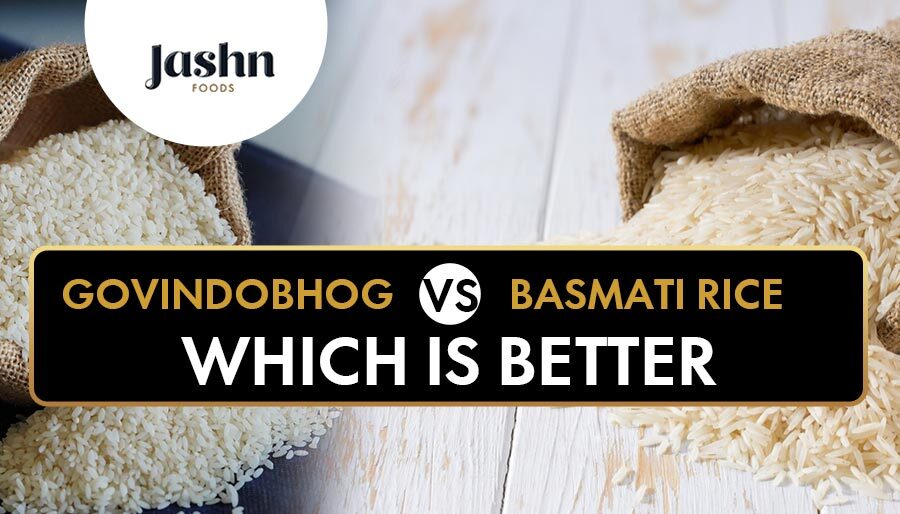
The first difference most people notice is grain size. Gobindobhog rice is short and slightly rounded, while Basmati is long, narrow, and more delicate in appearance.
That single difference changes the overall eating experience. Gobindobhog creates a softer texture that feels richer and more comforting. Basmati feels lighter because the grains remain separate instead of sticking together.
Some people prefer rice that mixes easily with curries and lentils, while others enjoy distinct grains that hold their shape throughout the meal. Much of the comparison comes down to this personal preference.
Aroma Is Where Personal Preference Matters Most
Many people assume aromatic rice varieties smell almost the same, but the difference between these two is quite noticeable once they are cooked.
Gobindobhog has a deeper and fuller aroma that feels strongly connected to traditional home cooking. Basmati carries a cleaner fragrance with slightly nutty notes that become more noticeable during steaming.
Neither one is automatically better than the other. Certain dishes simply benefit more from a particular type of aroma. Rich biryanis often pair beautifully with Basmati because the fragrance complements strong spices without becoming heavy. Traditional Bengali dishes usually feel more balanced with Gobindobhog because of its softer aroma profile.
This is one reason buyers looking for the best basmati rice brand often pay close attention to aroma consistency before choosing a product.
Cooking Texture Changes the Final Dish
Texture plays a major role in how rice behaves during cooking. Gobindobhog cooks into a soft consistency that absorbs flavours quickly. It works especially well in dishes where rice needs to blend naturally with spices, lentils, or ghee-based preparations.
Basmati behaves differently in the pot. The grains stay long and airy, which helps maintain structure even in heavily layered dishes. That quality makes it ideal for biryani and restaurant-style rice recipes.
Professional chefs often rely on Basmati because the rice continues to look attractive even after sitting for some time. At the same time, many home cooks still prefer Gobindobhog because it delivers a more comforting and traditional feel.
Which Rice Works Better for Everyday Meals?
Everyday cooking habits usually influence rice choices more than anything else.
Families that prepare lighter curries, simple lentils, and traditional regional meals often prefer Gobindobhog because it feels softer and blends smoothly with homemade dishes.
Basmati is commonly chosen in households where pulao, biryani, or occasional special meals are prepared more frequently. It also stores well, especially when aged properly.
Many people eventually keep both varieties at home and switch between them depending on the dish they plan to cook that day.
Nutritional Value Depends More on Preparation Than Variety
Nutritionally, there is not a dramatic difference between the two varieties. Both mainly provide carbohydrates and energy, while differences are usually noticed more in texture and digestibility.
Gobindobhog may feel heavier because of its softer consistency, whereas Basmati often feels lighter due to the fluffy grain structure.
The overall meal matters more than the rice alone. Balanced portions with vegetables, lentils, and proteins generally make a greater difference to eating habits.
People exploring different grain options also spend time comparing topics such as brown vs. white rice while deciding which type fits their routine best.
Market Demand and Availability Continue to Grow
Basmati rice enjoys wider international availability because it is cultivated and exported on a much larger scale. Its popularity has created strong global demand supported by exporters and basmati rice suppliers in India.
Gobindobhog remains more closely associated with regional markets and traditional cooking communities. Since cultivation is comparatively limited, availability can vary depending on location and season.
Over the last few years, buyers have shown stronger interest in regional rice varieties that offer authentic flavour and cultural value rather than only commercial appeal.
Brands like Jashn Foods are also helping consumers explore premium rice categories with greater confidence by focusing on consistency and quality.
Choosing Between Traditional Flavor and Versatile Presentation
Both rice varieties succeed in completely different ways. Gobindobhog brings warmth, softness, and a strong connection to traditional recipes. Basmati offers elegance, versatility, and presentation that suits both home kitchens and commercial cooking.
The better option depends entirely on the type of food someone enjoys most often. If the goal is comfort food with rich flavour absorption, Gobindobhog may feel more satisfying. If long grains and lighter texture matter more, Basmati becomes the natural choice.
Many experienced cooks also compare methods like steam vs raw basmati rice to understand how cooking style changes aroma and texture in different recipes.
Final Thoughts
The comparison between Gobindobhog and Basmati rice has no fixed winner because both varieties serve different purposes in the kitchen.
Gobindobhog continues to hold emotional and cultural value in traditional cooking, especially in Bengali households. Basmati remains popular because of its refined texture, presentation, and versatility across cuisines.
In the end, the better rice is simply the one that suits the meal, the occasion, and the personal taste of the people sitting around the table.