
If you’ve ever spent time in a Kolkata market—whether it’s a busy wholesale mandi or a small neighborhood shop—you’ll notice something quickly: rice is always moving. Sacks come in, sacks go out, and there’s barely a pause in between.
That’s exactly why people keep looking into how to Start a Rice Distribution Business in Kolkata. The demand isn’t seasonal, it doesn’t depend on trends, and it doesn’t slow down much. Rice is part of daily life here.
At the same time, things aren’t exactly the same as they used to be. Buyers are becoming more selective. Many now prefer cleaner, well-packed options over loose grains. That shift has pushed the demand for basmati rice in Kolkata, especially in urban areas and restaurants that care about presentation as much as taste.
So yes, the opportunity is there—but like any traditional business, it works best when you understand how things actually run on the ground.
Step-by-Step: How to Start a Rice Distribution Business in Kolkata
Let’s not overcomplicate it. At its core, this business is about supply and trust.
You source rice in bulk, store it properly, and supply it to shops, retailers, or food businesses. Sounds simple—and in many ways, it is. But the real difference comes from how reliable you are.
In Kolkata, shopkeepers don’t switch distributors easily. Once they find someone who delivers on time and doesn’t mess with quality, they stick with them. That’s the level of consistency you need to aim for right from the beginning.
Why Kolkata Works So Well for This Business
The biggest advantage? Consumption.
Rice isn’t optional in this city. It’s eaten in some form almost every day. But what makes Kolkata interesting is the variety in demand.
Different areas prefer different rice varieties in Kolkata. Some households go for softer, everyday rice. Others are particular about grain length and aroma. Then there’s the restaurant segment, which is a category of its own. Any place serving biryani is always on the lookout for the best rice for kolkata biryani, and they won’t compromise on quality.
There’s also a noticeable shift happening. More customers now prefer packaged rice. It feels safer, cleaner, and more consistent. For distributors, that means better positioning and slightly better margins if you handle the right products.
How the Distribution System Actually Works
On paper, the model is straightforward: manufacturer → distributor → retailer.
In reality, it’s a bit more relationship-driven than that.
As a distributor, you’re the middle layer. You deal in volume, manage stock, and make sure supply doesn’t break. Some people start small—supplying to a handful of local shops. Others aim bigger and target wholesalers or restaurants early on.
There’s no fixed path here. What matters is how well you manage your stock and how dependable you are.
What Kind of Rice Should You Deal In?
One mistake beginners make is focusing on just one type of rice.
Kolkata doesn’t work that way. The market is mixed, and your inventory should reflect that.
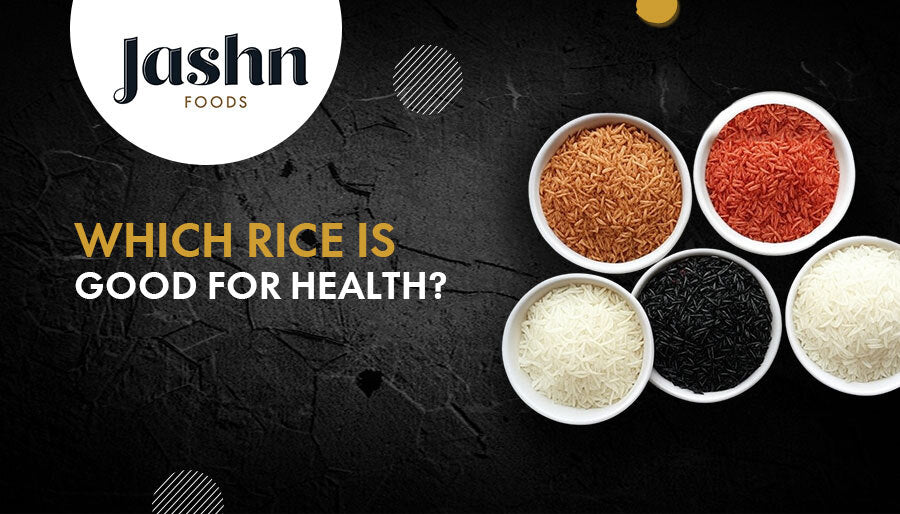
Basmati sells well, especially to restaurants and premium buyers
Non-basmati keeps your daily sales running
Steam rice and raw rice both have steady demand
Parboiled rice still has its own customer base
If you balance your stock smartly, you won’t be dependent on just one segment. Also, keep a close eye on rice prices. Even small fluctuations can affect how retailers buy and how much margin you actually make.
Getting Started – Step by Step (The Practical Way)
Start by Talking to People
Before investing anything, spend time in the market. Visit shops. Ask what they sell the most. Ask what problems they face with current suppliers. You’ll learn more in two days of conversations than in weeks of online research.
Take Care of Basic Registration
You’ll need GST and an FSSAI license. It’s not complicated, but it’s necessary if you want to deal with serious buyers.
Find Your Supplier Carefully
This part needs patience. Some distributors rely on local mills, while others connect with larger networks like rice suppliers in Hyderabad or even a basmati rice manufacturer Chennai for better quality and consistency.
Don’t rush into the cheapest option. In this business, consistency matters more than saving a few rupees upfront.
Set Up Storage Without Overthinking It
You don’t need a huge warehouse to begin. A clean, dry space is enough. Just make sure there’s no moisture problem—rice can get damaged faster than most people expect.
Build Your Retail Network Slowly
Don’t try to cover the whole city at once. Start with a few shops, deliver properly, and build from there. In this line of work, reputation spreads quietly—but strongly.
How Much Do You Need to Invest?
You can start small if you’re careful.
A basic setup might need around ₹2–5 lakhs. That covers your first stock, some storage, and basic transport.
If you want to go a bit bigger, especially with more variety and wider supply, you might need ₹8–12 lakhs or more.
Margins aren’t huge. Usually somewhere between 3% and 8%. But the business runs on repeat orders. Once your supply becomes regular, things start stabilizing.
Picking the Right Supplier Makes a Huge Difference
This is where many new distributors go wrong.
If your supplier isn’t consistent, your business won’t be either. Retailers notice even small differences in grain quality, and they won’t hesitate to switch if something feels off.
That’s why working with a dependable name helps. Brands like Jashn Foods focus on consistency, which makes it easier for distributors to build trust without constantly explaining product differences.
The Real Challenges (No Sugarcoating)
Prices Don’t Stay Still
Rice prices move depending on season and supply. If you’re not paying attention, your margins can disappear quickly.
Storage Can Cause Losses
Bad storage leads to moisture or pest issues. Even a small mistake here can cost you.
Competition is Already There
You’re not entering an empty market. But instead of trying to undercut everyone, focus on being reliable. That matters more in the long run.
How to Grow Once You’re Stable
Growth in this business is gradual. There’s no sudden jump.
You can expand your product range, start supplying to restaurants, or explore nearby areas. Some distributors also learn from other markets, like how rice suppliers in Hyderabad operate—to improve sourcing and pricing.
Even small things like better handling, cleaner packaging, and timely delivery can set you apart over time.
Conclusion
Starting a rice distribution business in Kolkata isn’t complicated—but it’s not effortless either.
The demand is already there. Your job is to fit into that system and prove that you’re dependable. If you focus on consistency, choose your suppliers wisely, and build relationships step by step, the business can grow into something solid.
It may not look glamorous, but it’s steady. And in a market like Kolkata, steady is exactly what works.